Your roof is a critical component of your home, constantly working to protect it from the elements. Asphalt shingles are a popular roofing choice due to their affordability, durability, and appearance. However, even these resilient materials are subject to wear over time. Cracking and blistering are two common signs of deterioration that can compromise your roof’s integrity. Understanding the nature of these issues, their causes, and their implications is essential for any homeowner.
Cracking Shingles: When Flexibility Fails
Cracking in asphalt shingles manifests as visible splits or cracks on the surface of the shingle. These can range from fine, hairline cracks to wide, gaping chasms that expose the underlying roofing layers. Cracks can appear in various patterns:
- Thermal Cracking: This type of cracking resembles the scales of an alligator or a dry, cracked mud puddle. It’s often a network of fine, interconnected cracks across the shingle’s surface.
- Stress Cracking: These are usually more linear and can occur across the width or length of a shingle, often originating from a point of stress.
- Transverse Cracking: Cracks that run perpendicular to the long edge of the shingle.
- Longitudinal Cracking: Cracks that run parallel to the long edge of the shingle.
Why Cracking is Bad:
Cracks are not merely cosmetic blemishes; they are direct breaches in your roof’s protective barrier. Each crack is an open invitation for water, ice, and debris to penetrate the shingle’s surface. This leads to a cascade of problems:
- Water Infiltration: The most immediate threat. Water seeps through cracks, saturating the shingle’s mat, weakening it further, and eventually reaching the roofing felt, decking, and even your home’s interior. This can cause:
- Wood Rot: Structural damage to your roof deck, rafters, and attic trusses.
- Mold and Mildew Growth: Unhealthy indoor air quality and potential respiratory issues.
- Ceiling Stains and Damage: Unsightly discoloration and weakening of interior finishes.
- Granule Loss: Cracks accelerate the loss of protective granules that shield the asphalt from UV rays. Without these granules, the asphalt becomes even more vulnerable to degradation.
- Reduced Lifespan: A cracked roof is a compromised roof. Its overall lifespan is drastically reduced, leading to premature roof replacement.
- Increased Energy Bills: Damaged shingles can lead to poor insulation, causing your HVAC system to work harder to maintain indoor temperatures.
Why Cracking Happens:
Several factors contribute to the cracking of asphalt shingles:
- Age and Exposure: This is the most common culprit. Over time, constant exposure to the sun’s UV radiation, extreme temperature fluctuations (freeze-thaw cycles), wind, and rain causes the asphalt to dry out, become brittle, and lose its elasticity. As the asphalt shrinks, it pulls apart, leading to cracks.
- Manufacturing Defects: Less common, but sometimes shingles are manufactured with inherent weaknesses or an improper asphalt mix, making them more susceptible to cracking early in their lifespan.
- Improper Installation: Shingles installed without proper ventilation can experience excessive heat buildup, accelerating their aging process and leading to cracking. Improper nailing can also create stress points.
- Foot Traffic: Walking on asphalt shingles, especially in hot weather, can cause them to crack or damage the granule surface.
- Foundation Movement: While not directly affecting the shingles, significant foundation shifting can put stress on the entire roof structure, potentially leading to cracking.
Blistering Shingles
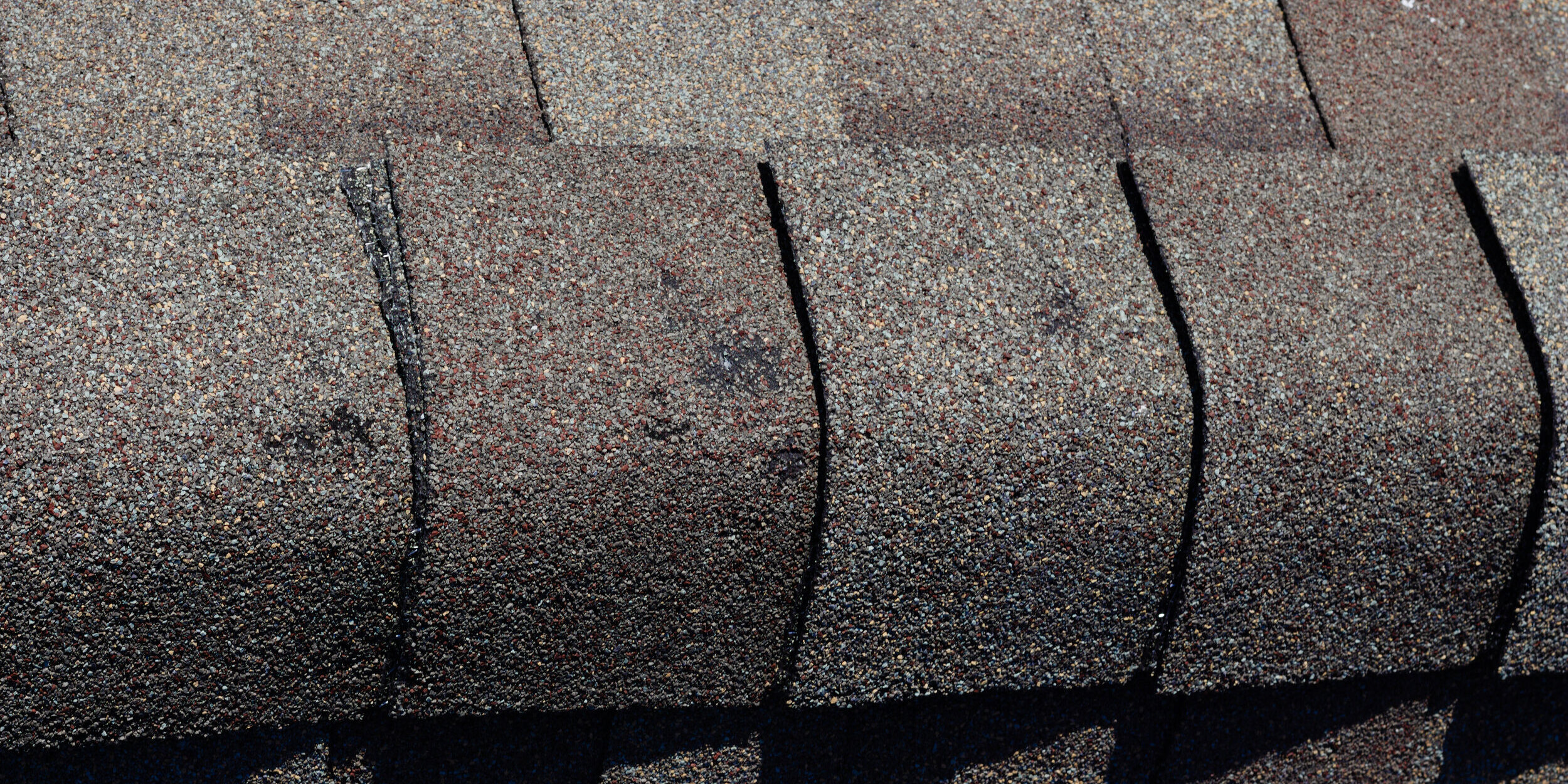
Blistering in asphalt shingles appears as raised, bubble-like formations on the surface. These blisters can vary in size from small, pinhead-sized bumps to larger, quarter-sized or even in some cases, golf-ball-sized swellings. They are essentially pockets of trapped moisture or volatile gases beneath the shingle’s surface, pushing the top layer upwards.
Why Blistering is Bad
Similar to cracking, blistering is more than just an aesthetic issue:
- Granule Loss: As blisters expand and contract with temperature changes, the granules covering them become dislodged and shed. This exposes the underlying asphalt to the elements.
- Premature Aging: The exposed asphalt deteriorates more rapidly under UV radiation, leading to a faster breakdown of the shingle.
- Vulnerability to Punctures: While a closed blister may not immediately leak, it is a weak point. Foot traffic, hail, or falling debris can easily puncture a blister, creating an open pathway for water.
- Reduced Protection: A roof covered in blisters has significantly diminished protective capabilities, making it more susceptible to further damage and leaks.
- Aesthetic Degradation: A blistered roof looks unsightly and can negatively impact your home’s curb appeal.
Why Blistering Happens:
Blistering is primarily attributed to moisture or gases trapped within the shingle during its manufacturing process or through absorption:
- Manufacturing Defects: This is the most frequent cause. During production, if air or moisture becomes trapped within the asphalt mixture or between layers of the shingle, these pockets can expand when heated by the sun, forming blisters. Poor quality control or inadequate drying of the asphalt can contribute to this.
- Excessive Heat: While usually a factor in exacerbating existing conditions, prolonged exposure to intense heat can cause volatile components within the asphalt to vaporize, creating gas pockets that lead to blistering. Poor attic ventilation can contribute to higher roof surface temperatures.
- Moisture Absorption: If shingles are stored in humid conditions or installed when wet, absorbed moisture can become trapped and later expand when heated, leading to blisters.
- High Humidity and Poor Ventilation: A consistently humid environment coupled with inadequate attic ventilation can create conditions where moisture can be absorbed by the shingles and then contribute to blistering as temperatures fluctuate.
Prevention and Action
While some degree of wear is inevitable, proactive measures can mitigate the risks of cracking and blistering. Regular roof inspections, ideally twice a year (spring and fall), can help identify these issues early. Addressing ventilation problems in your attic can significantly extend your roof’s lifespan by reducing heat buildup. If you observe extensive cracking or blistering on your asphalt roof, it’s a clear signal that professional attention is warranted. A qualified roofing contractor can assess the extent of the damage, determine the underlying causes, and recommend the most appropriate course of action, whether it’s repairs, a partial replacement, or a full roof overhaul. Ignoring these warning signs will inevitably lead to more significant, and costly, problems down the line. Investing in your roof’s health is investing in the long-term well-being of your entire home.