A roof leak is more than just an annoying drip; it’s a silent threat that can lead to significant and costly damage to your home’s structure, interior, and even your family’s health. For homeowners, understanding why leaks occur, how to find them, and what steps to take is crucial for protecting your most valuable asset. This comprehensive guide will demystify roof leaks, providing you with the knowledge to identify, address, and prevent them effectively.
Why Are Roof Leaks Such a Big Deal?
Many homeowners underestimate the severity of a seemingly small roof leak. However, even a slow, intermittent drip can cause:
- Structural Damage: Water can rot wooden framing, compromise the integrity of your roof deck, and weaken ceiling joists, potentially leading to costly structural repairs.
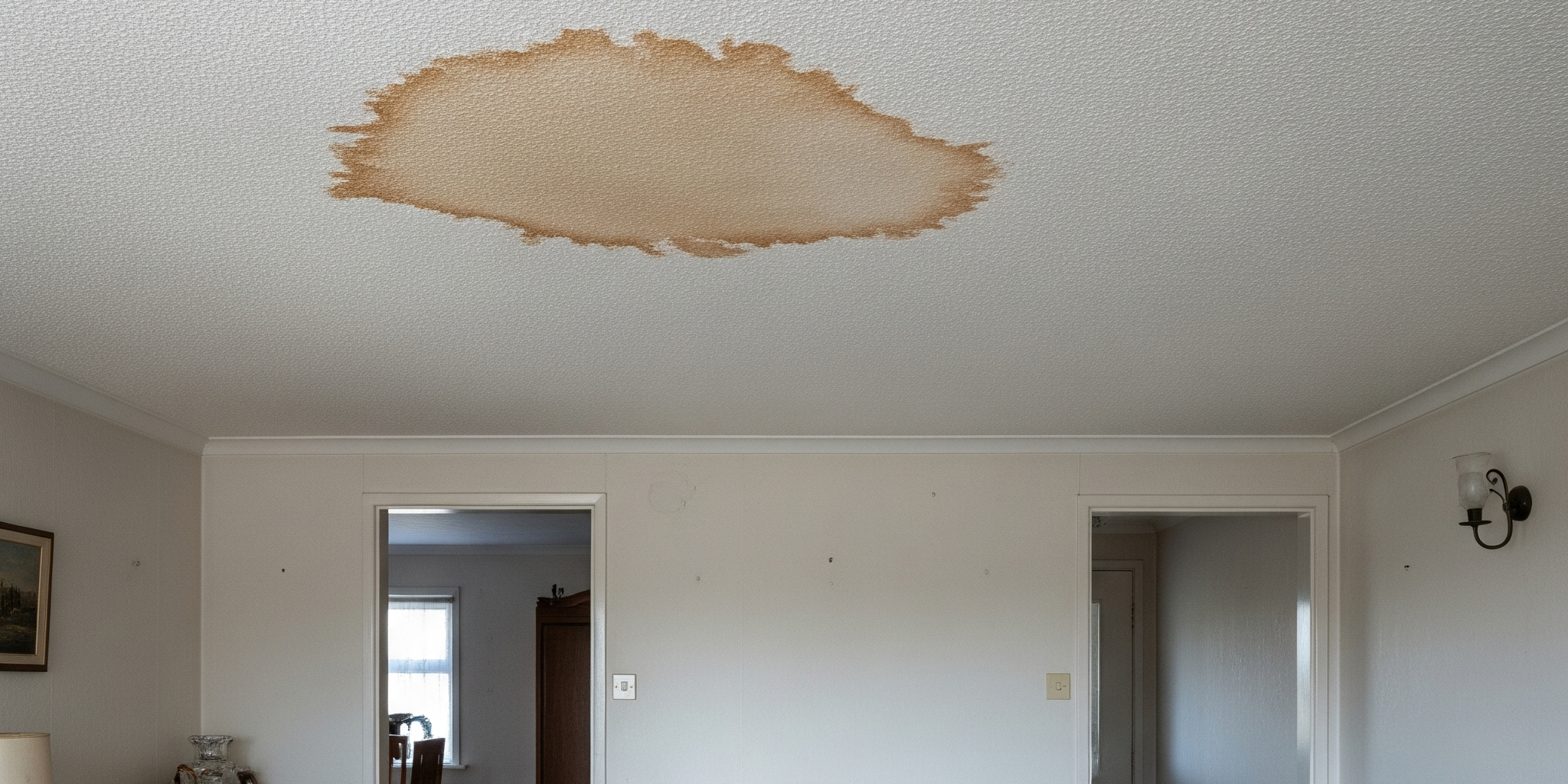
- Interior Damage: Stains on ceilings and walls are often the first visible signs, but leaks can also damage paint, plaster, insulation, flooring, and personal belongings.
- Mold and Mildew Growth: Persistent moisture creates a perfect breeding ground for mold and mildew, which can spread rapidly, cause unpleasant odors, and pose serious health risks, especially for individuals with allergies or respiratory issues.
- Electrical Hazards: Water and electricity don’t mix. Leaks near electrical wiring, fixtures, or outlets can create dangerous short circuits and increase the risk of fire.
- Reduced Energy Efficiency: Saturated insulation loses its R-value, meaning your home’s attic and living spaces become less energy-efficient, leading to higher heating and cooling bills.
Ignoring a leak, no matter how minor it seems, will almost always lead to more extensive and expensive problems down the line.
Common Culprits: Where Do Roof Leaks Come From?
Roof leaks rarely appear out of nowhere. They are typically caused by specific vulnerabilities or damage points on your roof. Knowing these common culprits can help you better pinpoint the source:
- Why it happens: High winds, hail, or general wear and tear can lift, crack, curl, or completely remove asphalt shingles.
- How it leads to leaks: Once the protective barrier of the shingle is compromised or removed, water can penetrate the underlying roofing felt and roof deck. Even a small crack allows water to seep through.
- Damaged or Improperly Installed Flashing:
- Why it happens: Flashing refers to thin pieces of metal (often aluminum or galvanized steel) installed around roof penetrations and junctions to create a watertight seal. This includes chimneys, skylights, vents, pipe boots, and in roof valleys. Flashing can rust, crack, loosen, or be installed incorrectly.
- How it leads to leaks: If flashing is compromised, water can easily run underneath it and into your home at these critical transition points. This is a very common source of leaks as these areas are designed to divert water.
- Clogged Gutters and Downspouts:
- Why it happens: Leaves, twigs, and other debris can accumulate in gutters, preventing proper water flow.
- How it leads to leaks: When gutters are clogged, water backs up and overflows, often cascading down the fascia board and soaking into the eaves and soffits. This constant moisture can lead to wood rot and water infiltration into the attic or walls. Ice dams in winter are an extreme example of this, where frozen water backs up under shingles.
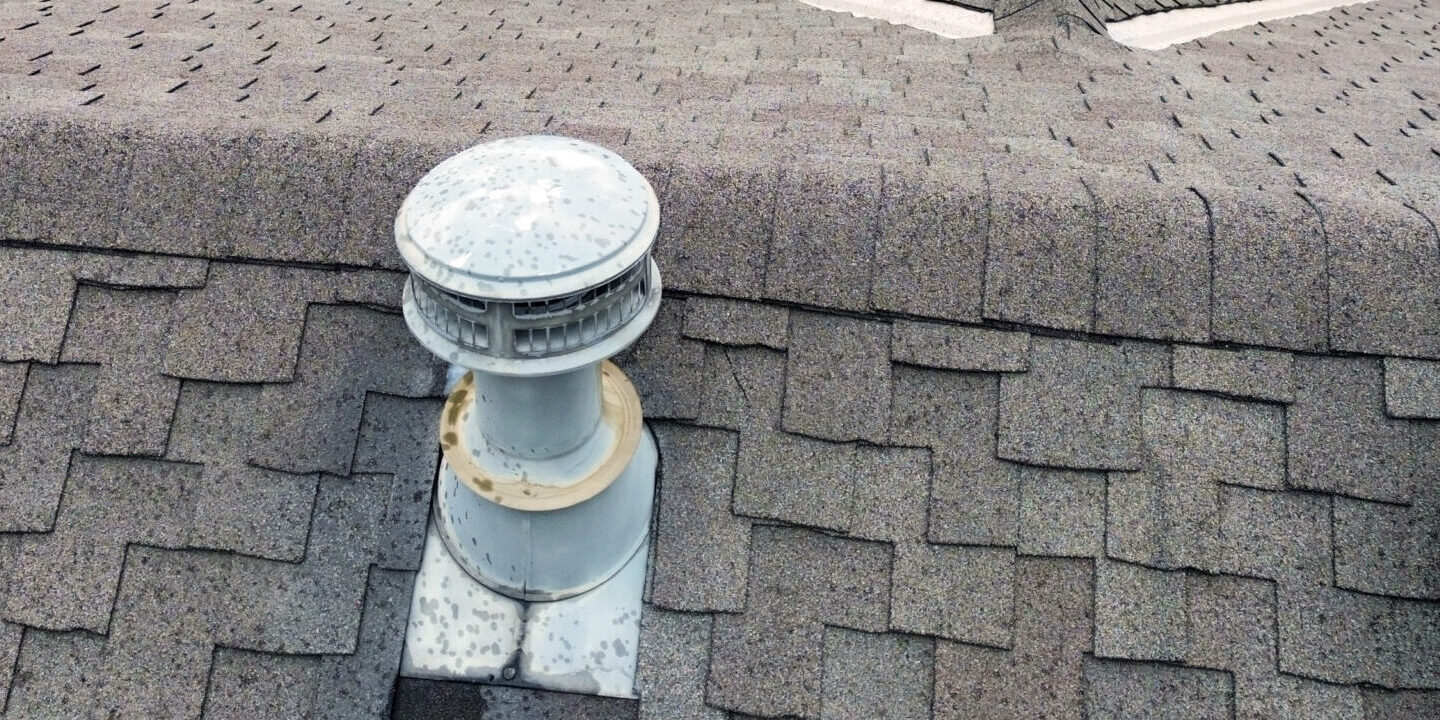
- Damaged or Worn-Out Vent Boots:
- Why it happens: Roof vents (for plumbing, attic ventilation) require a rubber or metal boot around their base to seal them to the roof. Over time, the rubber can crack and degrade from UV exposure, or the seal can simply fail.
- How it leads to leaks: A damaged vent boot creates an open pathway for water to run directly into your attic space around the pipe or vent.
- Skylight Problems:
- Why it happens: Skylights can leak due to degraded seals around the glass, damaged flashing, or cracks in the skylight dome itself. Age and improper installation are common factors.
- How it leads to leaks: Water finds its way through these weak points, often manifesting as drips or stains around the skylight’s interior frame.
- Chimney Issues:
- Why it happens: Chimneys are complex roof penetrations. Leaks can occur from cracked or crumbling mortar joints (deteriorated masonry), damaged chimney caps, or compromised flashing where the chimney meets the roof.
- How it leads to leaks: Water can seep through the masonry, get behind flashing, or enter through an open flue if the cap is damaged, leading to leaks down the chimney chase.
- Age and General Wear and Tear:
- Why it happens: Every roofing material has a lifespan. As a roof ages, materials become brittle, seals degrade, and components simply wear out from exposure to the elements.
- How it leads to leaks: An aging roof is more susceptible to all types of damage, eventually leading to widespread vulnerabilities that allow water intrusion.
What to Do When You Find a Leak
Professional Assessment is Key:
- Don’t DIY for Major Leaks: While minor patch jobs can be done by a handy homeowner, anything more complex than replacing a single shingle should be handled by a qualified roofing professional.
- Why a Pro? Roofing contractors have the expertise, safety equipment, and proper materials to accurately diagnose the source of the leak, perform durable repairs, and ensure your roof’s integrity. They can also spot underlying issues you might miss.
Prevention is the Best Defense
An ounce of prevention is worth a pound of cure, especially when it comes to your roof.
- Regular Inspections: Have your roof professionally inspected at least once every 1-2 years, and always after a major storm (hail, strong winds). Early detection of issues can save you thousands.
- Clean Gutters Regularly: Keep gutters and downspouts free of debris to ensure proper drainage. This is especially important in fall and spring.
- Trim Overhanging Branches: Tree branches rubbing against your roof or falling onto it during storms can cause significant damage. Keep them trimmed back.
- Address Minor Issues Promptly: Don’t ignore a curled shingle or a slightly loose piece of flashing. Fixing small problems immediately prevents them from escalating into major leaks.
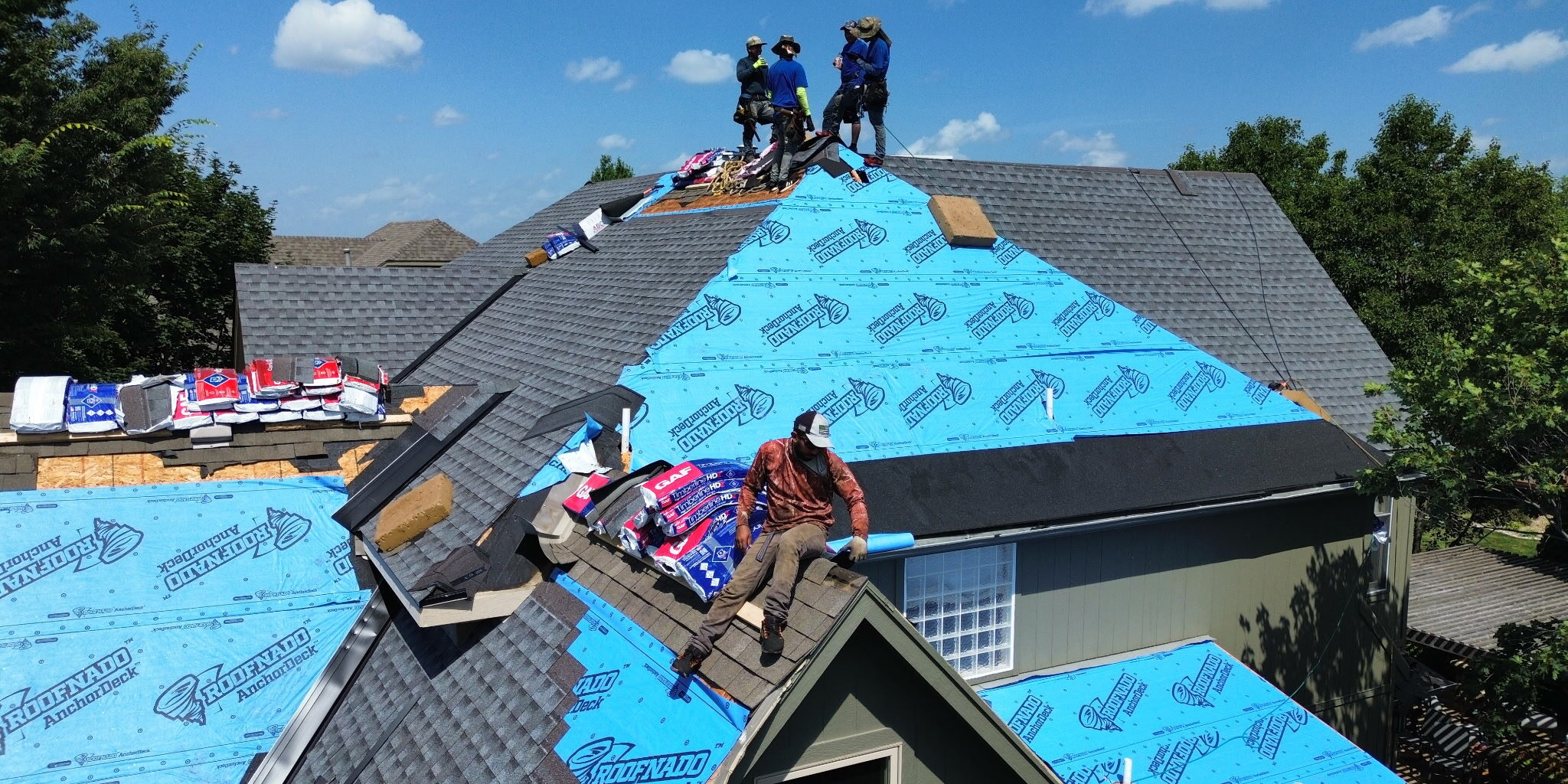
- Consider Your Roof’s Age: If your roof is approaching or has exceeded its expected lifespan (e.g., 20-25 years for asphalt shingles), it might be time to consider a full replacement to avoid ongoing leak issues and ensure your home’s long-term protection.
Protecting Your Investment
Your roof is your home’s primary defense against the elements. A persistent roof leak, if left unaddressed, can compromise that defense and lead to extensive, costly damage. By understanding the common causes of leaks, knowing how to identify them, and committing to timely, professional repairs and preventative maintenance, you can protect your home, maintain its value, and ensure your family stays safe and dry for years to come. Don’t wait for a drip to become a deluge – be proactive in safeguarding your roof.