Hailstorms are a force of nature that can leave a trail of destruction, and the damage they cause isn’t always obvious. If you’ve ever wondered about the impact of those frozen pellets on your property, this post is for you. Let’s break down what hail damage is, what it does, and what it looks like.
What Is Hail Damage?
Hail damage is the physical harm caused to a structure or object by hailstones. While it’s most commonly associated with roofs, it can affect a wide range of things. The severity of the damage depends on a few key factors:
- Hailstone size: The bigger the hail, the greater the potential for damage. Large, dense hailstones can create significant dents and fractures.
- Wind speed: Strong winds can make hailstones hit at an angle, increasing their force and the potential for damage to vertical surfaces.
- Hailstone density: Not all hailstones are created equal. Some are soft and slushy, while others are hard and icy, and the latter can cause more serious damage.
- Material composition: The type and age of a material play a huge role. For example, older, brittle shingles are more susceptible to damage than newer, more flexible ones.
What Does Hail Damage Do?
Hail damage can compromise the integrity of a structure, leading to future problems. On a roof, hail can:
- Bruise shingles: This means the fiberglass mat or asphalt layer underneath the granules is broken. These “bruises” can weaken the shingle, making it more prone to cracking and leaking later on.
- Dislodge granules: Granules on asphalt shingles protect the underlying layer from UV rays. When hail hits, it can knock these granules off, exposing the shingle to the sun’s damaging effects and shortening its lifespan.
- Crack or puncture the shingle: This is the most severe form of damage, creating a direct entry point for water. If left unrepaired, it can lead to water leaks, mold, and rot.
Even without an immediate leak, hail damage can reduce the value of your property and make it more vulnerable to future weather events.
What Does Hail Damage Look Like?
Identifying hail damage can be tricky, as it often goes unnoticed by the untrained eye. Here are some signs to look for on your roof:
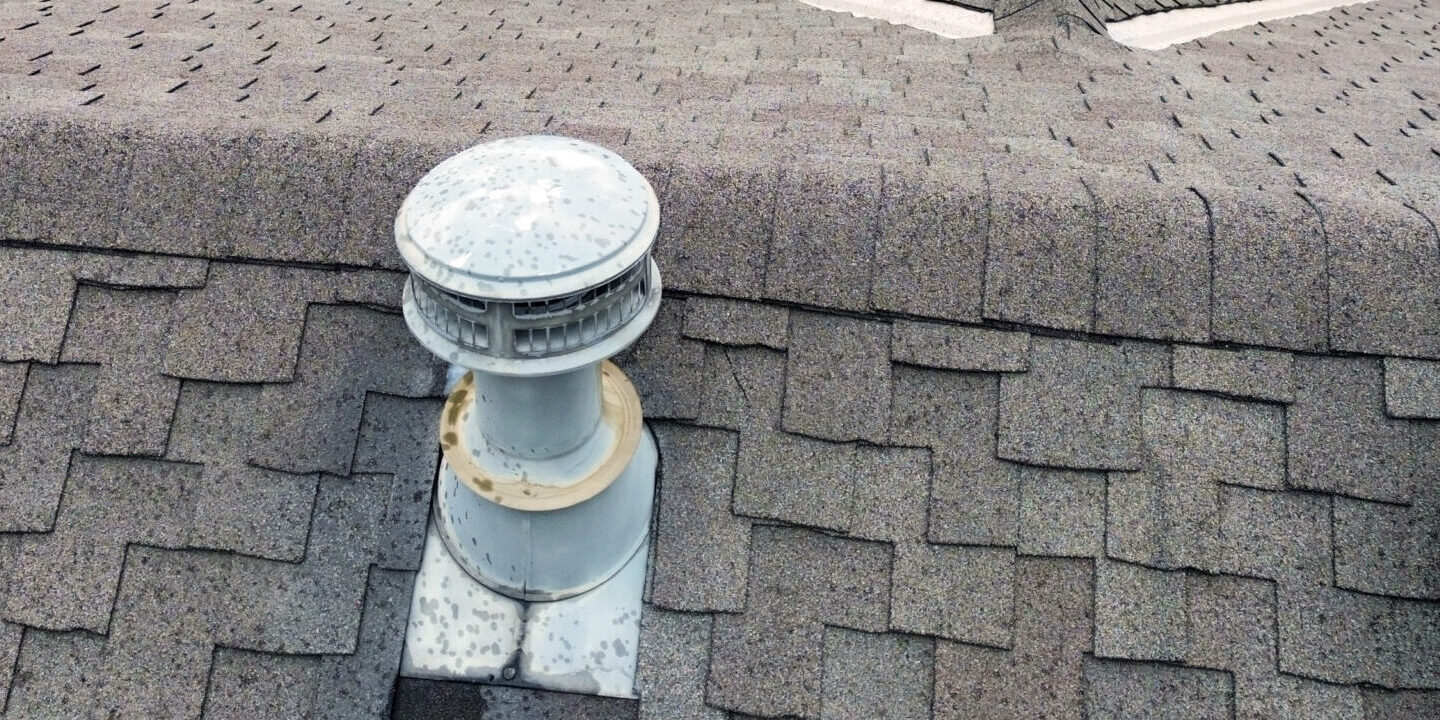
- Randomized pattern: Hail damage doesn’t follow a straight line. Look for dents or “dings” that are randomly scattered across the shingles.
- Circular dents: The dents will typically be circular or semicircular, reflecting the shape of the hailstones.
- Exposed fiberglass: If the hailstones were large and forceful, you might see the black, exposed fiberglass mat underneath where the granules have been completely removed.
- Missing or cracked granules: Look for areas where the granules are missing, or for small cracks radiating out from a point of impact.
If you suspect your home has been hit by a hailstorm, it’s a good idea to have it inspected by a professional. Catching hail damage early can save you from a lot of headaches and expensive repairs down the road.