As a homeowner, you’re always on the lookout for ways to save money, especially on major home improvement projects. When it comes to a new roof, the allure of a “shortcut” can be tempting. You might have heard a contractor suggest a money-saving option: instead of tearing off your old roof, they can simply lay a new layer of asphalt shingles right on top. It seems like a simple solution – less labor, less mess, and a lower initial price tag. But what they might not tell you is that this seemingly easy fix is a ticking time bomb, a shortcut that will cost you far more in the long run.
The Weight of the Problem: Why Two Layers are Too Much
Asphalt shingles are heavy. A standard square of shingles (100 square feet) can weigh anywhere from 200 to 400 pounds. When you have a single layer, your roof decking and structural supports are designed to handle that weight, along with the added stress of snow, ice, and wind.
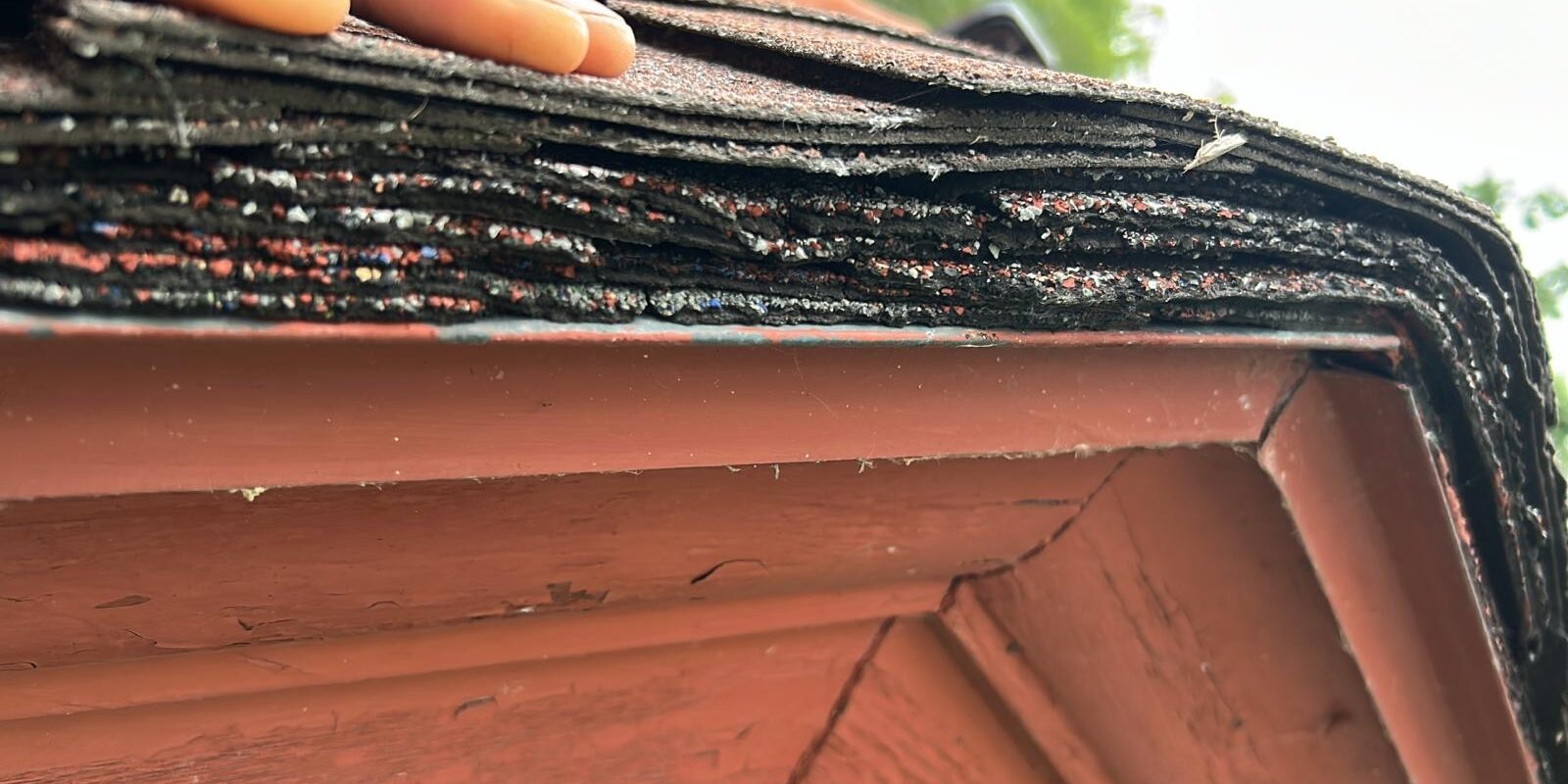
Now, imagine doubling that load. By adding a second layer of shingles, you are placing an immense and unintended amount of weight on your roof’s structure. This isn’t just about making your house heavier; it’s about pushing your home’s engineering to its breaking point. Over time, this excessive weight can cause your roof decking to sag, warp, or even crack. It can strain your rafters and trusses, leading to structural instability. In severe cases, especially in areas prone to heavy snow loads, a layered roof can be a serious safety hazard, putting your family and your home at risk of a catastrophic collapse.
Compromised Performance: A Shingle’s Worst Nightmare
A properly installed roofing system is a complex, integrated system. The flashing, underlayment, and shingles all work together to create a watertight barrier that protects your home from the elements. The entire system is engineered to allow moisture to shed away from the roof and vent out to prevent rot and mold.
When you layer shingles, you effectively compromise every aspect of this system.
- Improper Fastening: Shingles are designed to be nailed directly into the solid wood of the roof decking. When you nail through an existing layer of shingles, the new nails don’t get the same solid grip. They are essentially fastened into a layer of soft, pliable asphalt, which provides a weak and unreliable anchor. This makes the new layer of shingles far more susceptible to being lifted or torn off by high winds, leading to leaks and premature failure.
- Trapped Moisture and Accelerated Deterioration: The old, worn-out shingles underneath the new layer are a major problem. They are likely already holding moisture, and the new layer traps that moisture, preventing it from drying out. This creates a perfect environment for mold, mildew, and rot to thrive on the roof decking. The trapped moisture can also cause the new shingles to curl and blister prematurely as the heat from the sun bakes the trapped moisture from below. Essentially, the old shingles act as a sponge, slowly but surely destroying your new roof from the inside out.
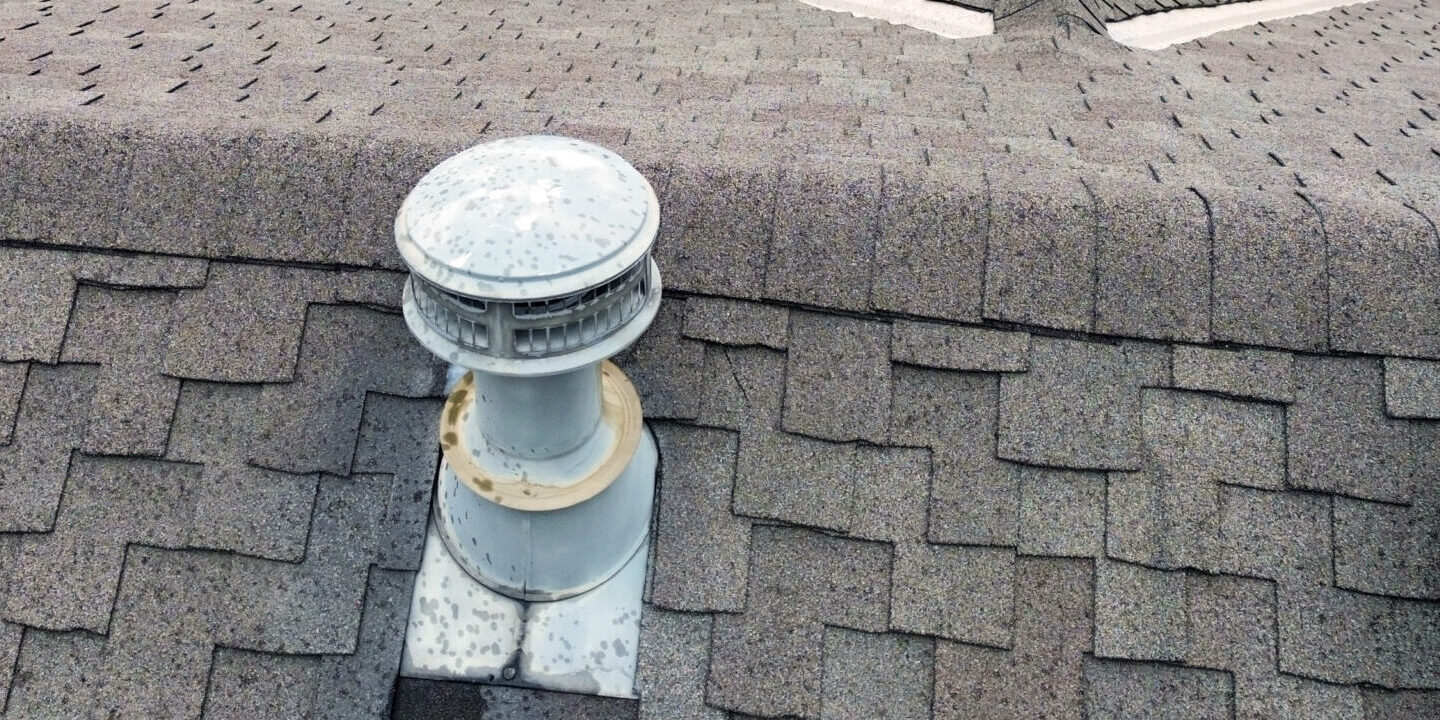
- Lumpy, Uneven Surface: A new roof is meant to be a smooth, uniform surface that allows water to flow freely. Layering shingles creates a lumpy, uneven surface. This unevenness can prevent the new shingles from sealing properly to each other, creating channels where water can seep in. It also makes it impossible to properly install critical components like flashing around chimneys, skylights, and vents, leaving your home vulnerable to leaks in these crucial areas.
The Right Way: A Proper Tear-Off and Installation
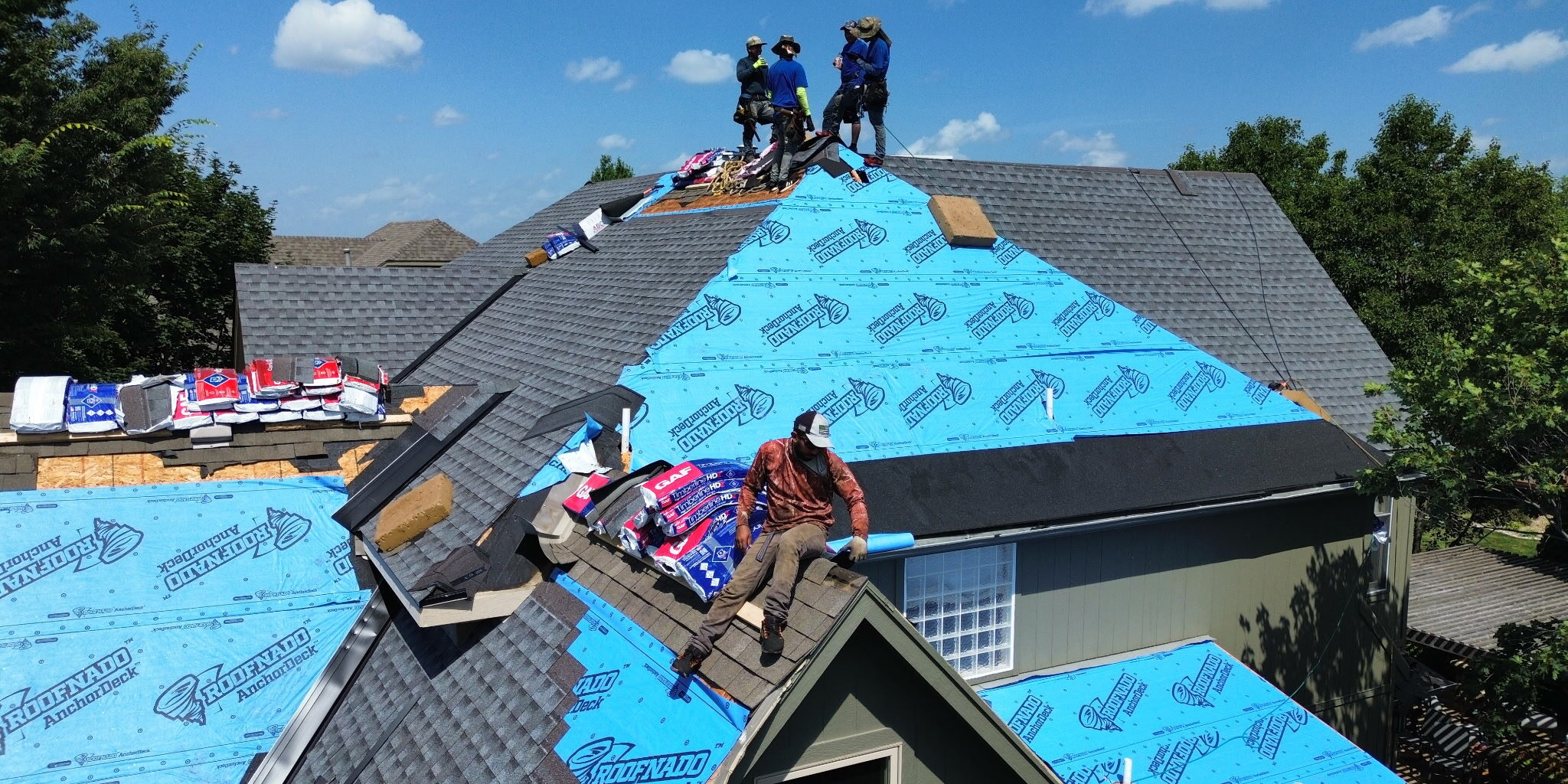
- Complete Tear-Off: We begin by carefully and thoroughly removing every single shingle, flashing, and underlayment from your existing roof. This allows us to get a clear view of your roof decking.
- Decking Inspection: With the decking exposed, we can inspect it for any signs of damage, rot, or structural issues. We will replace any compromised wood to ensure a solid and stable foundation for your new roof.
- Proper Underlayment & Flashing: We then install a high-quality, synthetic underlayment, which acts as an additional water barrier. We also install new, properly sealed flashing around all roof penetrations to prevent leaks.
- Expert Shingle Installation: Finally, we install your new asphalt shingles according to manufacturer specifications, ensuring proper fastening, alignment, and a seamless, watertight seal.
Conclusion: A Short-Term “Save” vs. a Long-Term Investment
The appeal of layering shingles is understandable. It’s often presented as a quick and affordable fix. But the reality is that it’s a false economy. The initial cost savings are quickly overshadowed by a host of problems: structural damage, compromised performance, trapped moisture, and a dramatically shortened lifespan of your new roof.
A roof is not just a cosmetic feature; it is your home’s first and most important line of defense against the elements. Choosing to do the job right by properly tearing off the old roof and installing a new one from scratch is the only way to ensure the safety, longevity, and value of your home.