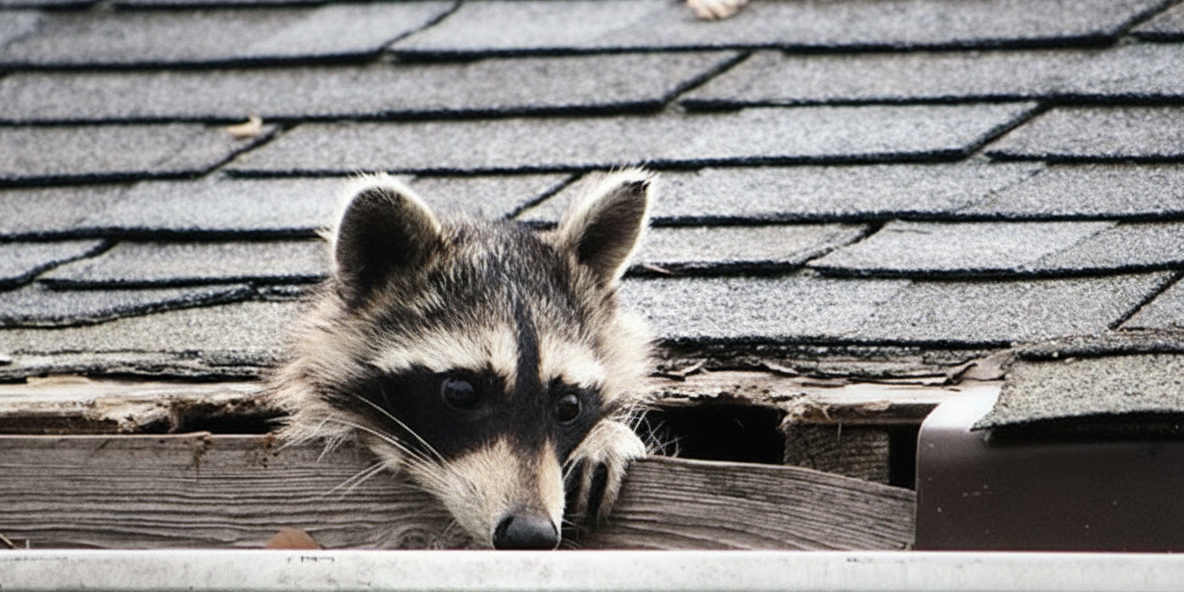
The roof of your property is a critical defense line against local wildlife. Animals like squirrels, raccoons, and various bird species frequently exploit vulnerabilities in fascia, soffits, and vents, causing costly, hidden damage to insulation, wiring, and structural components.
As roofing experts, we emphasize that prevention is the most effective strategy. By fortifying common weak points with durable materials, you can transform your roof from an appealing habitat into an unbreachable shell against pests.
Identifying and Reinforcing Critical Access Points
Wildlife targets specific parts of your roof structure where materials are weak or where necessary openings exist. Addressing these weak points requires specific materials and reinforcement techniques:
- Fascia Boards:
- The Threat: Moisture-damaged wood is soft and easy for squirrels and raccoons to chew through, seeking attic access.
- The Solution: Replace damaged wood with pressure-treated lumber. Cover or clad exposed wood with heavy-gauge aluminum or fiber cement to eliminate easy chewing surfaces.
- Soffit Panels:
- The Threat: Standard vinyl or lightweight aluminum panels are easily torn or chewed, leading directly into the eaves and attic space.
- The Solution: Upgrade to heavy-gauge aluminum or solid metal soffit panels. Ensure every panel is tightly secured with no gaps where the soffit meets the wall or fascia.
- Roof Vents:
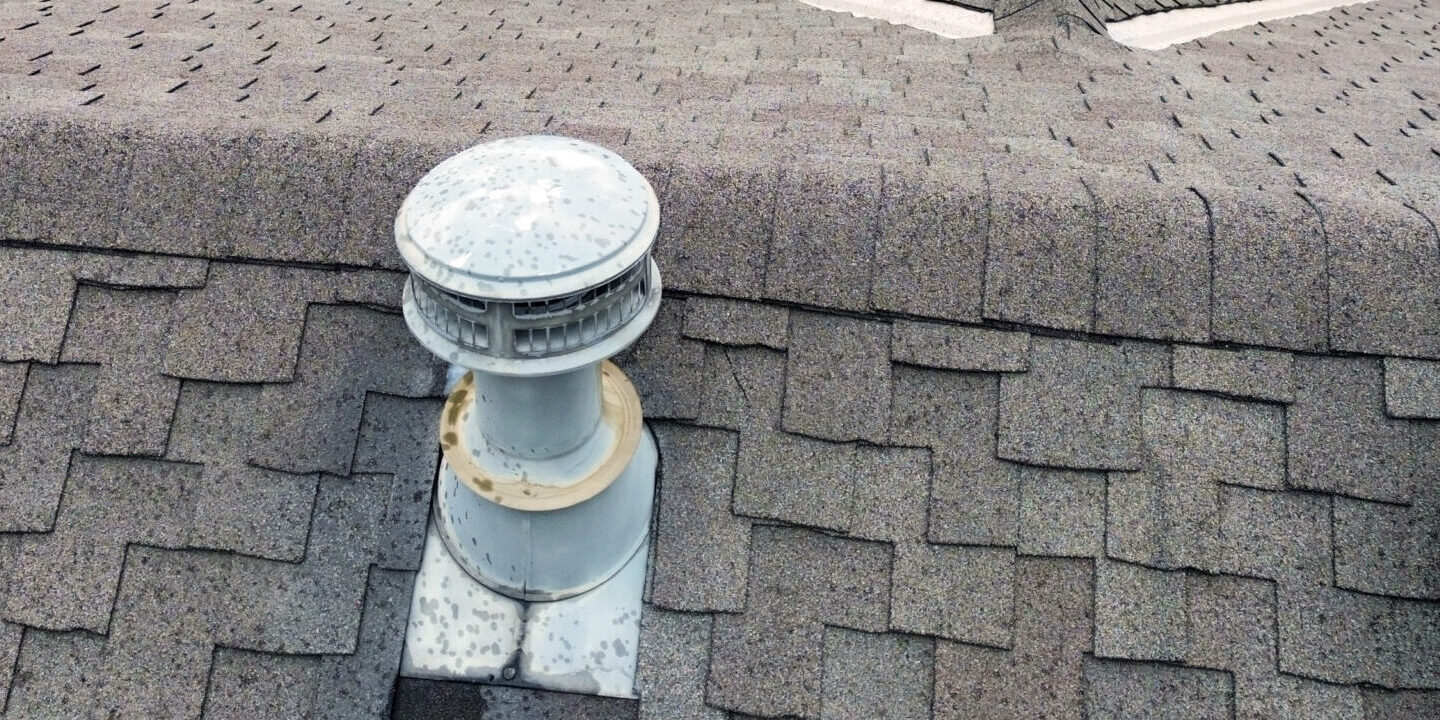
- The Threat: Vents (like attic, gable, or ridge vents) are necessary openings that offer potential entry. Animals chew through flimsy plastic caps or existing screens.
- The Solution: Reinforce all vents with or galvanized steel mesh (hardware cloth). This material is strong enough to resist chewing and must be firmly screwed over or behind any existing screening.
- Gutters:
- The Threat: Clogged gutters provide a pathway to the roof and hold debris that can serve as nesting material or attract insects (a food source).
- The Solution: Install high-quality, solid gutter covers to prevent debris buildup and deny animals a stable platform. Ensure gutters have the correct slope to prevent standing water.
Successfully deterring wildlife depends on using materials that are stronger than their instincts:
- Heavy-Gauge Steel Mesh: This is the most crucial material for protecting all vent openings. Its strength prevents tearing and chewing far better than standard plastic or vinyl screens.
- Durable Sealants: Use exterior-grade polyurethane or silicone sealants to close small gaps. For larger holes, stuff them first with steel wool or steel mesh, and then seal over the top. Avoid using only expanding foam, as it offers little resistance to chewing.
- Non-Vulnerable Cladding: When repairing wood elements, use materials like heavy aluminum coil stock or fiber cement over bare wood. These surfaces do not give rodents the grip they need to start gnawing.
The Most Important Preventative Measure
Trim all overhanging tree branches to maintain a minimum clearance of 6 to 10 feet from your roofline. This single step eliminates the primary highway squirrels and raccoons use to bypass ground-level defenses and access your roof.
Finally, conduct seasonal inspections of your roof perimeter. Look for signs of damage—missing caulk, chewed edges, or loose vent caps. Addressing these small issues immediately is the best way to prevent a costly animal intrusion.