Asphalt shingles are a popular roofing material, known for their durability and cost-effectiveness. However, like all building materials, they are susceptible to wear and tear over time. Two common signs of shingle degradation that homeowners often observe are curling and cupping. While sometimes used interchangeably, these terms describe distinct issues that can significantly impact your roof’s performance. Understanding what causes them, what they indicate, and why they’re problematic is crucial for maintaining your roof’s health and protecting your home.
What is Shingle Curling?
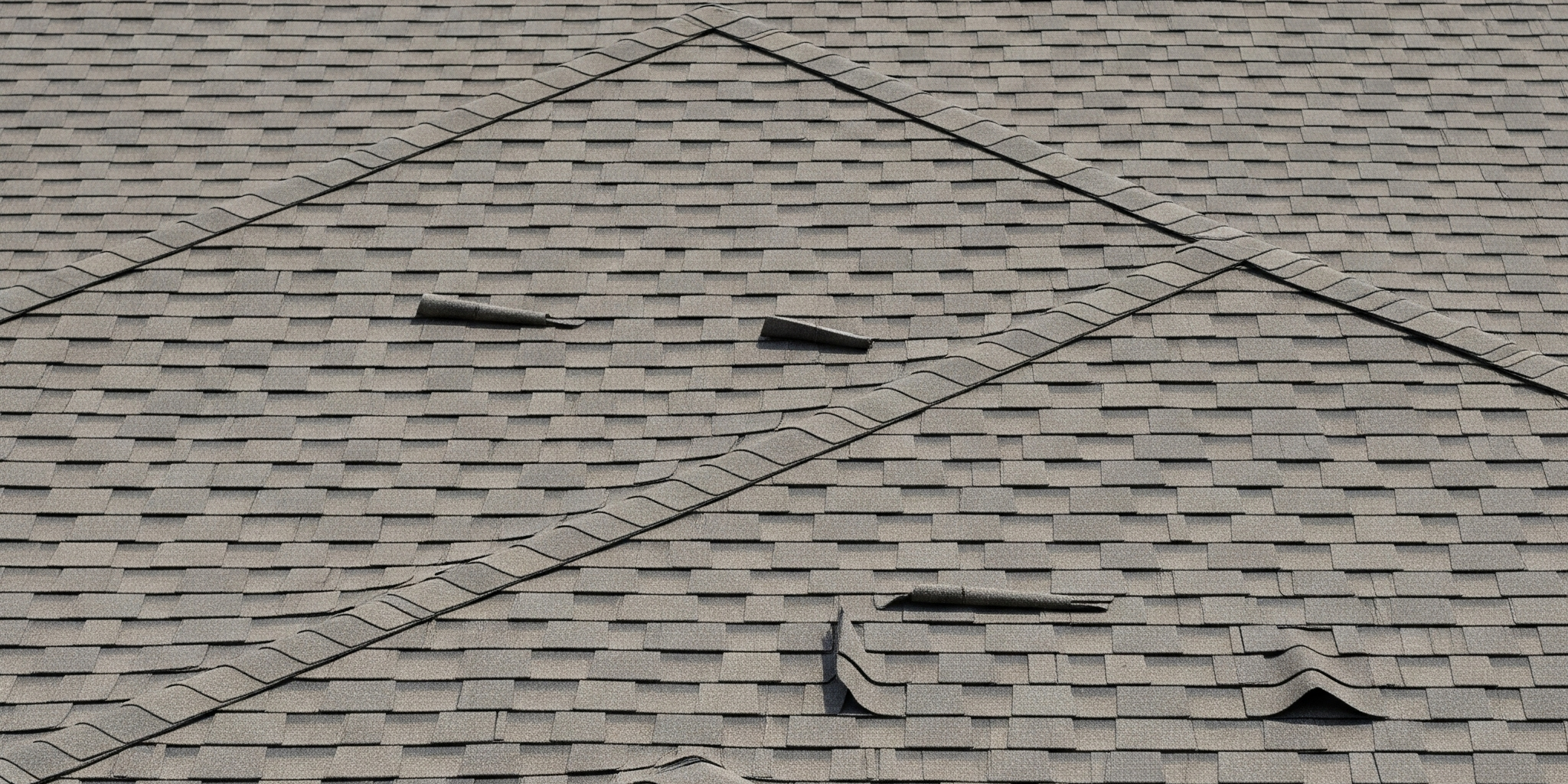
Shingle curling refers to the upward turning of the shingle edges, often resembling an upward curl or a claw. This typically affects the bottom edges of the shingles, causing them to lift away from the roof deck. When shingles curl, they no longer lie flat against the surface, creating visible gaps and an uneven appearance on your roof.
Several factors can contribute to shingle curling:
- Manufacturing Defects: In some cases, curling can be attributed to inconsistencies during the shingle manufacturing process, such as improper asphalt saturation or fiberglass mat quality.
- Improper Installation: Incorrect nailing patterns, insufficient nails, or applying shingles in temperatures outside the manufacturer’s recommendations can lead to curling.
- Lack of Proper Ventilation: Inadequate attic ventilation can cause heat and moisture to build up in the attic. This trapped heat rises, leading to the roof deck becoming excessively hot and causing the shingles to expand and curl.
- Aging: As shingles age, the asphalt can dry out and become brittle. This loss of elasticity makes the shingles more prone to curling as they are exposed to the elements.
- UV Exposure: Prolonged exposure to the sun’s ultraviolet (UV) rays can degrade the asphalt, accelerating the drying process and making shingles more susceptible to curling.
What is Shingle Cupping?
Cupping, on the other hand, describes a condition where the center of the shingle draws upwards, forming a concave or dish-like shape. The edges of the shingle remain flatter or curl slightly, while the middle section lifts. This creates a depression in the center of the shingle, making it appear scooped out.
Common causes of shingle cupping include:
- Moisture Imbalance: This is a primary cause of cupping. If the underside of the shingle absorbs more moisture than the top, or vice versa, the uneven expansion and contraction can lead to cupping. This often happens due to poor attic ventilation, where moisture from inside the home condenses on the underside of the roof deck and shingles.
- Excessive Heat: Similar to curling, prolonged exposure to high temperatures can dry out the shingle’s asphalt, making it less flexible and more prone to cupping.
- Improper Underlayment: An incorrect or poorly installed underlayment can trap moisture beneath the shingles, leading to an imbalance that promotes cupping.
- Aging: Over time, the materials within the shingle naturally degrade, losing their original shape and becoming more susceptible to environmental stresses that cause cupping.
Why Are Curling and Cupping Bad?
Both curling and cupping are clear indicators of shingle distress and should not be ignored. They signal a compromised roofing system and can lead to a host of problems for your home:
- Reduced Weather Protection: The most significant issue is the diminished ability of the shingles to protect your home from the elements. Gaps created by curling and the depressions formed by cupping allow rainwater, snow, and ice to penetrate beneath the shingles. This can lead to water leaks into your attic and home, causing damage to insulation, ceilings, walls, and personal belongings.
- Increased Wind Vulnerability: Curled edges are easily caught by strong winds, making your roof more susceptible to shingle blow-offs. Once a shingle is dislodged, the underlying roof deck is exposed, leading to further water intrusion and structural damage.
- Accelerated Deterioration: When shingles are curled or cupped, they are no longer lying flat, exposing their vulnerable undersides and edges to direct sunlight and precipitation. This accelerates the degradation process of the asphalt and granules, significantly shortening the lifespan of your roof.
- Compromised Aesthetics: Beyond functionality, curled and cupped shingles give your roof an aged, neglected appearance, detracting from your home’s curb appeal and potentially impacting its resale value.
- Algae and Moss Growth: The depressions created by cupping can trap moisture and debris, creating an ideal environment for algae, moss, and lichen growth. These organisms not only look unappealing but can also further degrade the shingles over time.
Addressing the Problem
If you notice curling or cupping on your asphalt shingles, it’s a sign that your roof requires attention. While minor curling or cupping in very old shingles might simply indicate the end of their lifespan, widespread or premature signs often point to underlying issues that need to be addressed by a professional. A qualified roofing contractor can assess the extent of the damage, identify the root cause, and recommend the most appropriate solution, whether it’s minor repairs, improved ventilation, or a complete roof replacement. Addressing these issues promptly can prevent more extensive and costly damage to your home in the long run.