Lenexa, Kansas, is regularly impacted by severe weather, ranging from intense thunderstorms to the potential for tornadoes and heavy winter precipitation. A home’s roof is continuously exposed to these forces, which can compromise its structural integrity and protective capabilities. Understanding the various types of damage a roof can sustain during a storm is essential for homeowners to recognize potential issues and take appropriate action.
This guide provides an objective overview of common storm-related roof damage, assisting Lenexa homeowners in identifying possible problems.
1. Wind Damage
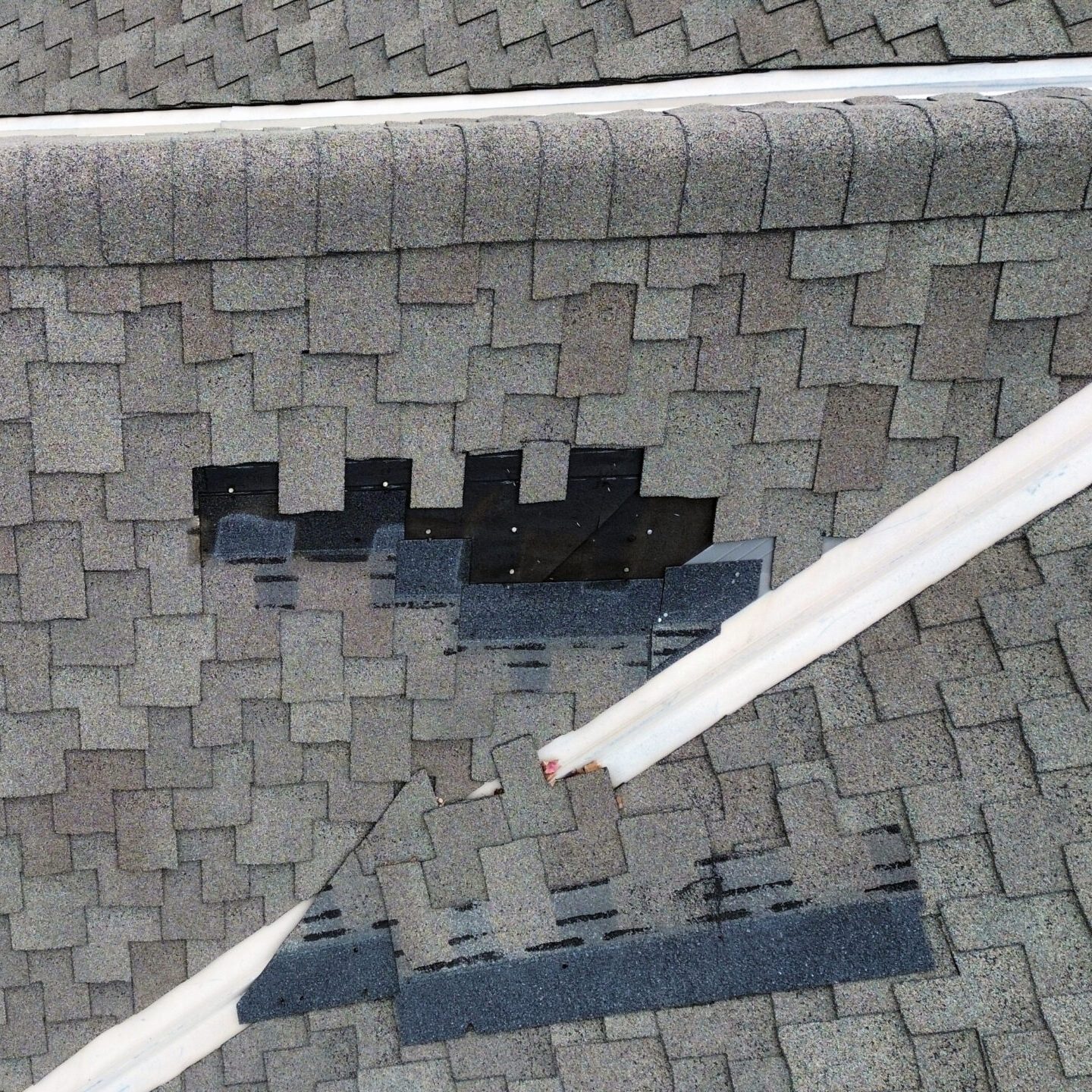
Wind is a significant factor in roof damage during severe weather events, often affecting roofs in ways that are not immediately apparent from ground level.
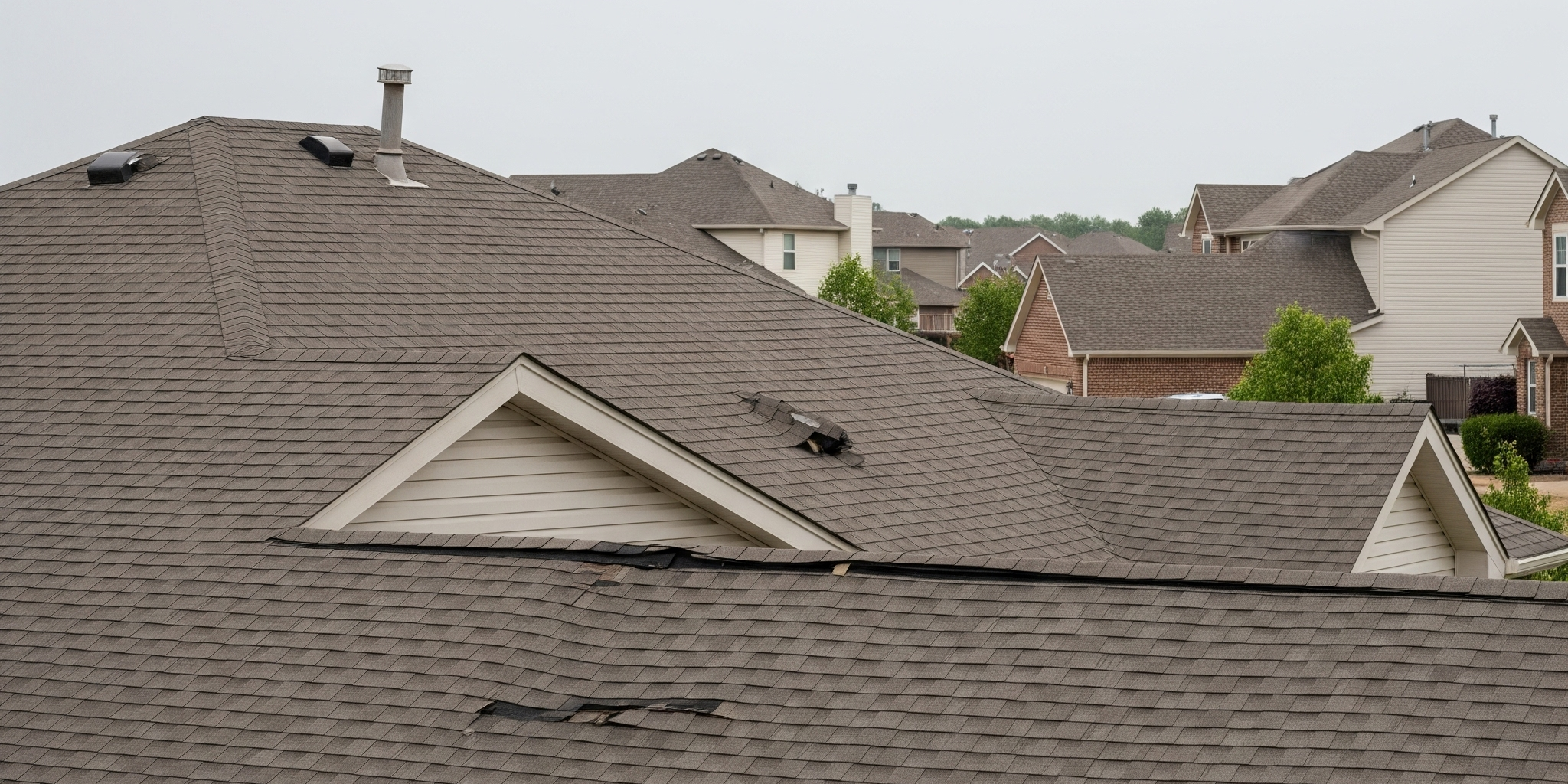
- Missing Sections: Sustained high winds or sudden, powerful gusts can rip individual shingles or larger sections from the roof structure. This exposes the underlying roofing felt and wood decking to direct moisture, leading to accelerated material degradation and a high risk of water infiltration into the attic or living areas.
- Creased or Folded Shingles: When wind lifts shingles without fully removing them, they can develop creases or fold lines. These areas represent weakened points that are prone to cracking and breaking over time, which accelerates wear and exposes the protective layers beneath.
2. Hail Damage
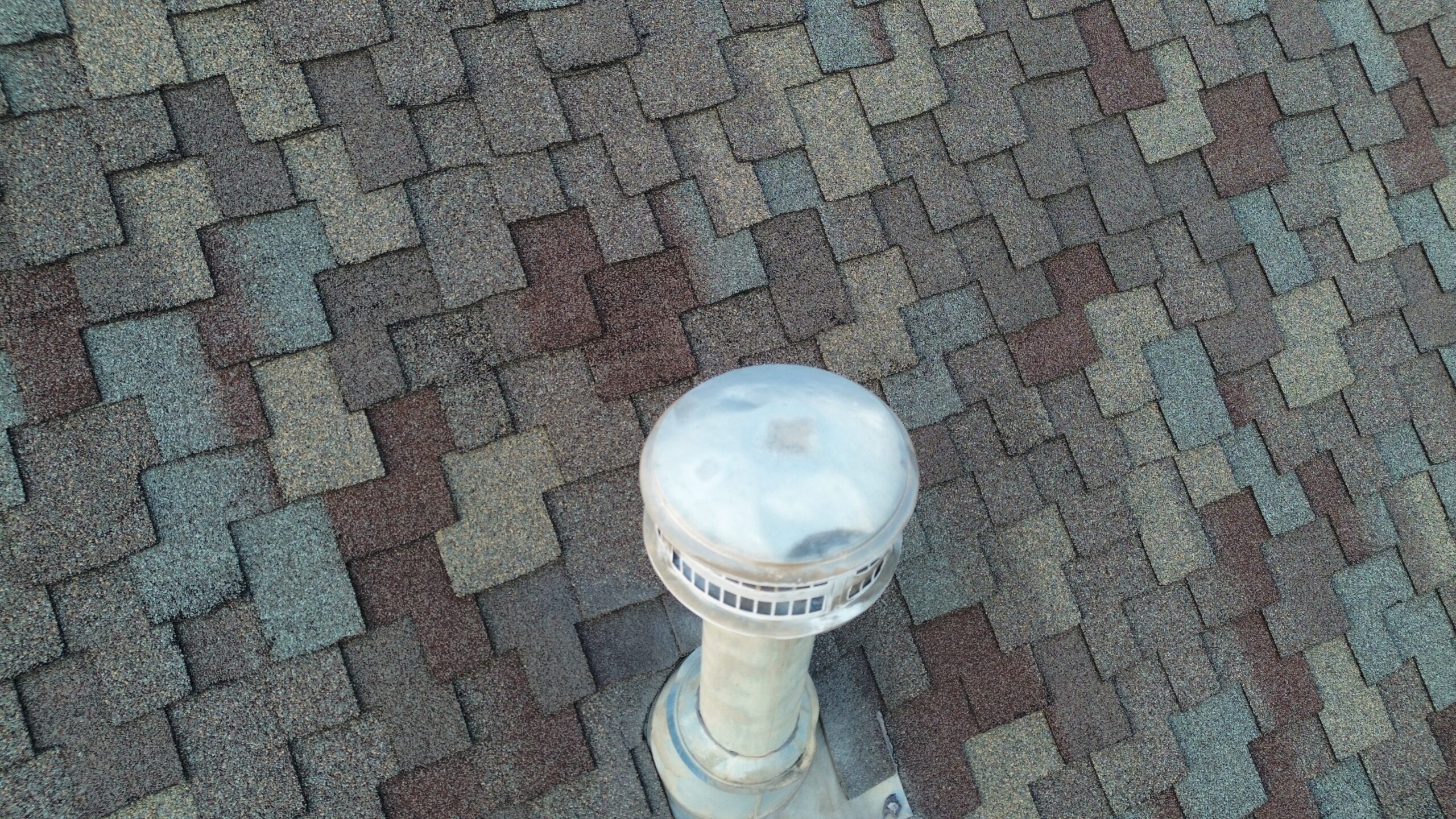
Hail is a frequent and often subtly damaging weather phenomenon in Lenexa. The resulting damage can be challenging to identify without close inspection, yet it can significantly reduce a roof’s effective lifespan and protective capacity.
- Asphalt Shingle Granule Loss: Hailstones impact asphalt shingles, dislodging the embedded ceramic granules that serve as a primary protective barrier against ultraviolet (UV) radiation. This impact creates localized dark “bruises” or depressions on the shingle surface. Significant granule loss exposes the underlying asphalt to direct sunlight, accelerating its breakdown, leading to brittleness and an increased propensity for cracking.
- Shingle Fractures: Even without visible punctures, severe hail impacts can cause unseen fractures within the fiberglass mat of the shingle. Over time, these internal fractures can develop into visible cracks, which can lead to water leaks. Hail can also compromise the shingle’s factory seal, increasing its susceptibility to wind uplift.
- Direct Punctures: Larger, more dense hailstones can directly penetrate asphalt shingles, creating immediate entry points for water infiltration.
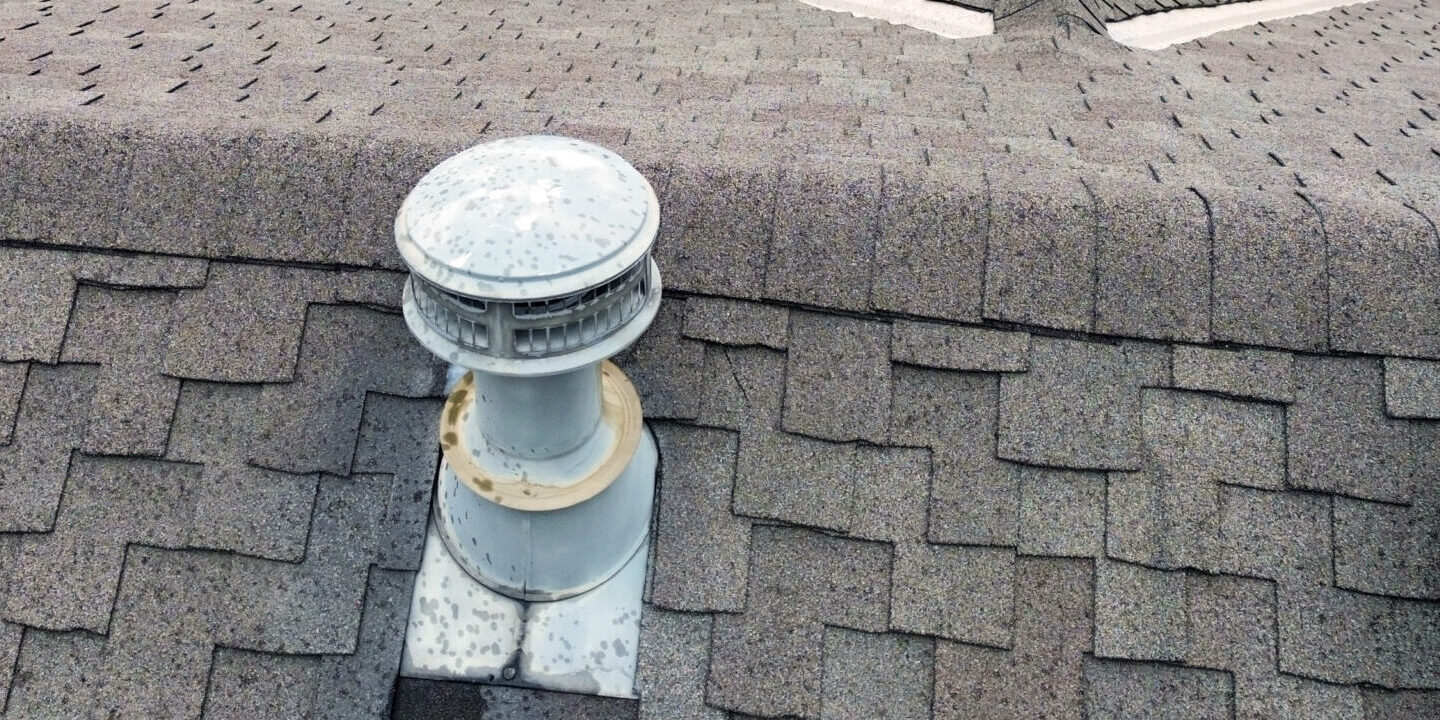
- Damage to Non-Shingle Components: Hail impacts can also deform or dent other metallic roof components, including gutters, downspouts, metal flashing, and chimney caps. Skylights are vulnerable to cracking or shattering, and roof vents can be damaged or broken.
- Impact on Other Roofing Materials: While less prevalent on typical residential Lenexa roofs, hail can also affect other roofing types:
- Tile Roofs: Hail can cause chipping, cracking, or breakage of individual clay or concrete tiles.
- Wood Shake Roofs: Hail impacts can split or shatter wood shakes, impairing their ability to shed water effectively.
3. Debris Damage
Storms frequently dislodge trees, branches, and other objects that become airborne, resulting in direct physical impact damage to roofs.
- Punctures and Tears: Falling tree limbs or objects propelled by wind (e.g., outdoor furniture, fencing fragments) can puncture or tear roofing materials, creating immediate openings that allow water to enter.
- Structural Impact: Large trees falling directly onto a roof can inflict severe structural damage, including crushing sections of the roof deck, rafters, and potentially impacting the interior ceilings or walls.
Surface Abrasion: Smaller debris, such as twigs, leaves, or gravel, can be scoured across the roof surface by high winds, causing abrasive wear, scratching, or localized granule loss on shingles.
Post-Storm Considerations for Lenexa Homeowners
Following any significant storm event in Lenexa, a comprehensive roof inspection is strongly advised. Many types of storm damage, particularly those caused by hail, are not discernible from ground level and require a close, professional assessment. Timely identification and remediation of storm damage are critical steps in preventing further deterioration, avoiding more extensive and costly repairs, and ensuring the long-term protection of your home.