Your asphalt shingle roof is more than just a collection of dark rectangles; it’s a carefully designed system built to protect your home. And a crucial part of that system are the tiny, colorful granules embedded in the surface of each shingle. When these granules start to disappear, it’s called granular loss, and it’s a sign that your roof might be getting tired.
What Exactly is Granular Loss?
Think of your asphalt shingles like a piece of sandpaper. The paper part is the asphalt mat, and the gritty stuff on top is the granules. These granules are made of crushed rock, usually ceramic-coated to give them color and make them tough. They’re held onto the shingle by a layer of asphalt.
Granular loss is simply when these small, protective granules start to detach and fall off the shingles. You might see them accumulating in your gutters, at the bottom of your downspouts, or even scattered on your lawn or driveway after a rain.
Why is Granular Loss Serious? The Job of Those Tiny Grains
It might seem like a small thing, but those little granules do a mighty important job:
- Sun Protection: This is their primary role. The sun’s ultraviolet (UV) rays are incredibly damaging to asphalt. The granules act like a shield, reflecting away harmful UV rays and preventing the asphalt from drying out, cracking, and becoming brittle. Without them, the asphalt underneath is exposed and will break down much faster.
- Weather Protection: Granules also help protect your shingles from the wear and tear of rain, hail, and wind. They provide a tough, textured surface that helps shed water efficiently and resist impact.
- Fire Resistance: Believe it not, the mineral granules also contribute to the fire resistance of asphalt shingles.
- Aesthetics: They give your roof its color and appearance. Without them, your roof will start to look patchy and worn.
- Energy Efficiency and Your Electric Bill: The lighter colors of granules reflect sunlight and heat away from your home. When these granules are lost, the darker asphalt beneath is exposed, absorbing more of the sun’s heat. This can cause your attic and home to get much hotter, forcing your air conditioning system to work harder to keep your indoor spaces cool. A harder-working AC means higher electricity consumption and noticeably higher electric bills, especially during hot summers.
- Contribution to Blistering (Indirectly): While blistering in shingles is often caused by trapped moisture or gases during manufacturing or installation, severe granular loss can make shingles more vulnerable. Exposed asphalt, without the cooling and protective layer of granules, heats up more intensely. This extreme heat can worsen existing internal issues within the shingle, making any underlying tendencies for blistering more apparent or severe as the shingle ages and breaks down. This can lead to the formation of bubbles or raised areas called blisters on the shingle surface. These blisters can eventually pop, exposing the shingle’s inner layers and accelerating its breakdown, leading to cracks and leaks.
When granular loss occurs, your roof loses its ability to fight off the elements effectively. The exposed asphalt becomes vulnerable to the sun, leading to faster aging, cracking, and eventual leaks. It’s like your roof is losing its sunscreen and its armor all at once, impacting not just its lifespan but also your home’s comfort and your wallet.

How to Help Your Shingles Last Longer
While granular loss is a natural part of a roof’s aging process, there are steps you can take to slow it down and get the most life out of your existing shingles:
- Regular Cleaning (Carefully!): Keep your gutters clean to prevent water from backing up and sitting on your roof, which can loosen granules. If you have moss or algae, address it gently. Harsh pressure washing can blast granules off, so it’s usually best to use a soft wash method or professional roof cleaning services if needed.
- Trim Overhanging Branches: Branches rubbing against your roof can abrade shingles and cause granular loss. Keep trees trimmed back.
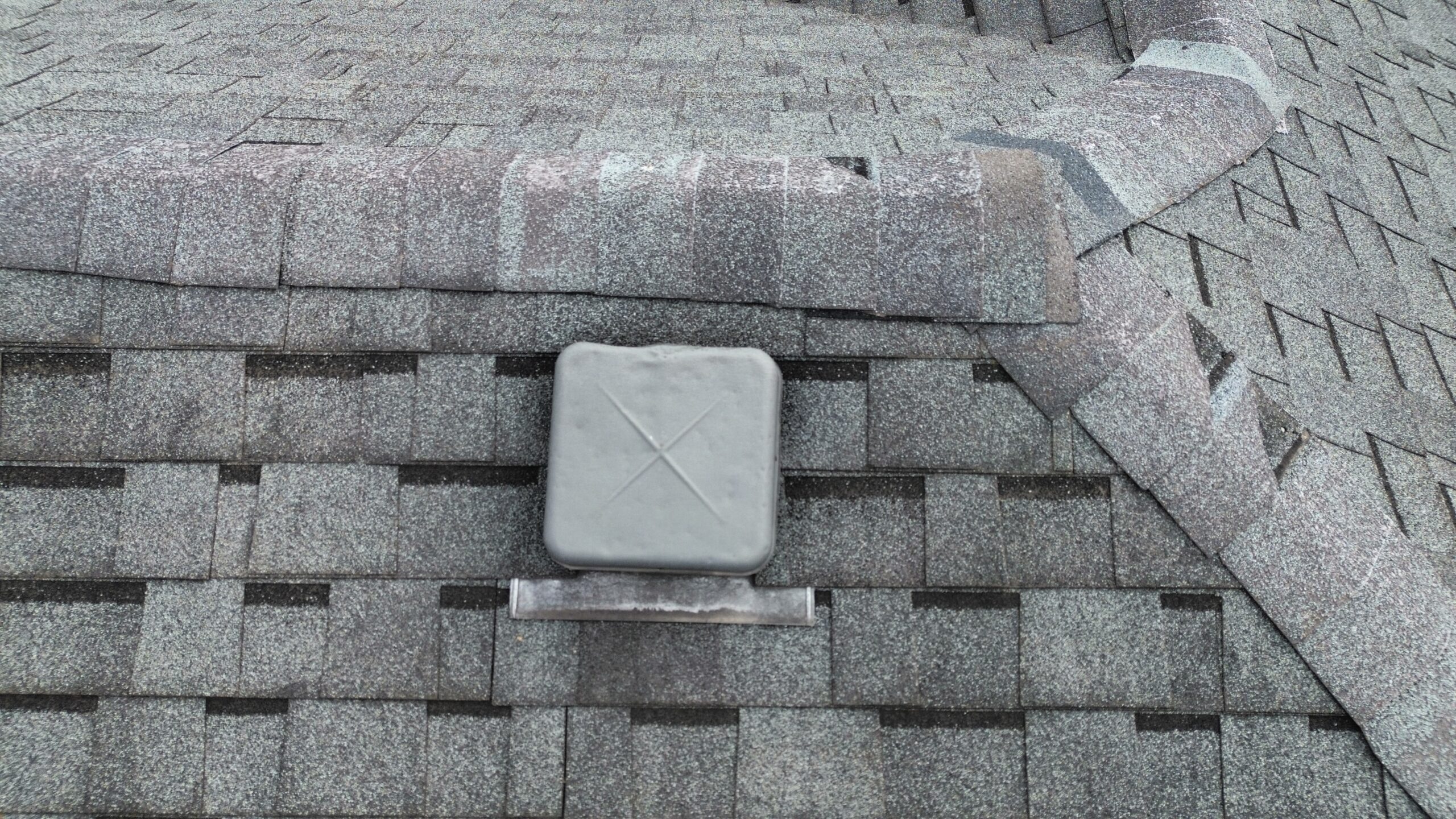
- Ensure Good Ventilation: Proper attic ventilation helps regulate your attic temperature. A super-hot attic can bake your shingles from underneath, accelerating granular loss. Make sure your attic vents are clear and working correctly.
- Avoid Walking on Your Roof Unnecessarily: Foot traffic can dislodge granules, especially on older, more brittle shingles. If you need to access your roof, wear soft-soled shoes and walk carefully.
- Minor Repairs: If you notice small areas of damage, like a lifted shingle edge or a small crack, addressing these promptly can prevent further deterioration and protect the surrounding granules.
These steps can extend the life of your roof, but they won’t stop the aging process entirely.
Is It Time for a New Roof? Identifying the Tipping Point
Seeing some granules in your gutters is normal, especially with a newer roof as “extra” granules settle. However, there comes a point where granular loss signals it’s time for a replacement. Here’s how to tell:
- Consistent and Heavy Granule Accumulation: If you’re constantly clearing large amounts of granules from your gutters, downspouts, or around your house, it’s a strong indicator of significant loss.
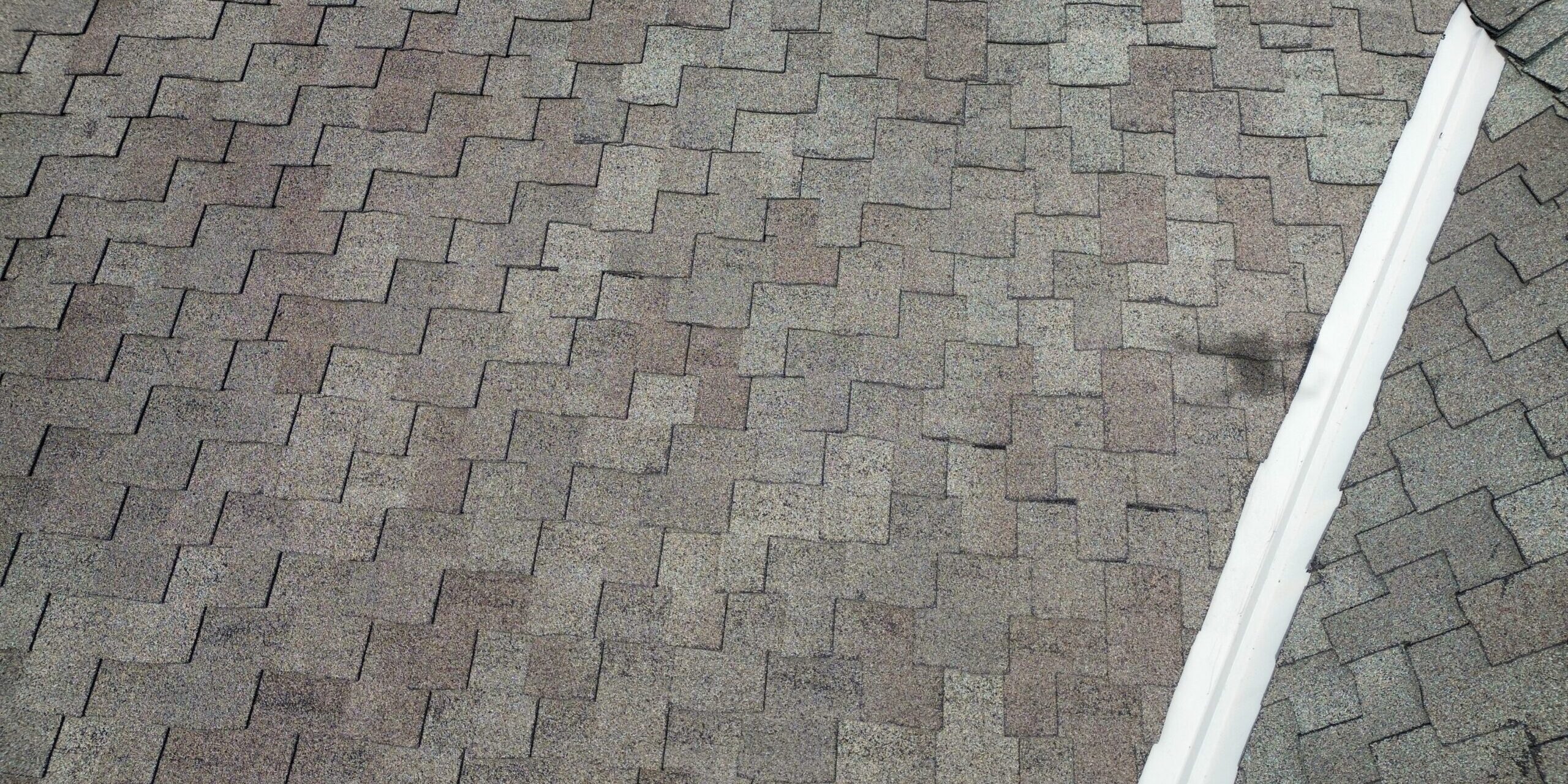
- Bald Spots: Look for areas on your shingles where the asphalt mat is clearly visible, often darker and smoother than the surrounding granular surface. These “bald spots” mean the shingle is exposed to the elements without protection.
- Brittle or Cracking Shingles: As asphalt is exposed and dries out, shingles become brittle and may start to crack, curl, or blister. This often goes hand-in-hand with severe granular loss.
- Shingle Discoloration/Darkening: The exposed asphalt mat beneath missing granules is typically darker than the shingle’s original color, leading to noticeable streaks or patches of discoloration on your roof.
- Age of the Roof: Most asphalt shingle roofs are designed to last between 20-30 years. If your roof is nearing or past its expected lifespan and showing significant granular loss, it’s likely time for a replacement.
- Leaks: Ultimately, the most obvious sign is when the roof can no longer do its primary job – keeping water out. If you’re experiencing leaks, it’s a clear sign of failure, often hastened by granular loss.
Storm Damage vs. Normal Aging: Spotting the Difference
While granular loss happens naturally as a roof ages, sudden and significant loss often points to storm damage. Knowing the difference is important, especially when dealing with insurance claims.
Signs of Normal Aging Granular Loss:
- Evenly Distributed: Granules tend to wear away fairly uniformly across the entire roof surface, especially on sides that get more sun. It’s a slow, gradual process over many years.
- Fading Color: The roof’s overall color will appear faded or washed out, as the granules slowly erode and expose the underlying asphalt.
- Curling/Cupping: As shingles age and lose granules, they often start to curl at the edges or cup in the middle. This happens gradually due to long-term exposure to heat and moisture.
- Widespread Brittleness: The shingles will feel brittle and easily breakable across the entire roof, not just in isolated spots.
Signs of Storm-Related Granular Loss (Hail or Wind):
- Random, Patchy Loss: Instead of uniform wear, hail damage causes granule loss in irregular, “bruised” patterns. You might see dark, circular or irregular spots where hail stones hit and dislodged granules. These spots often expose the black asphalt underneath.
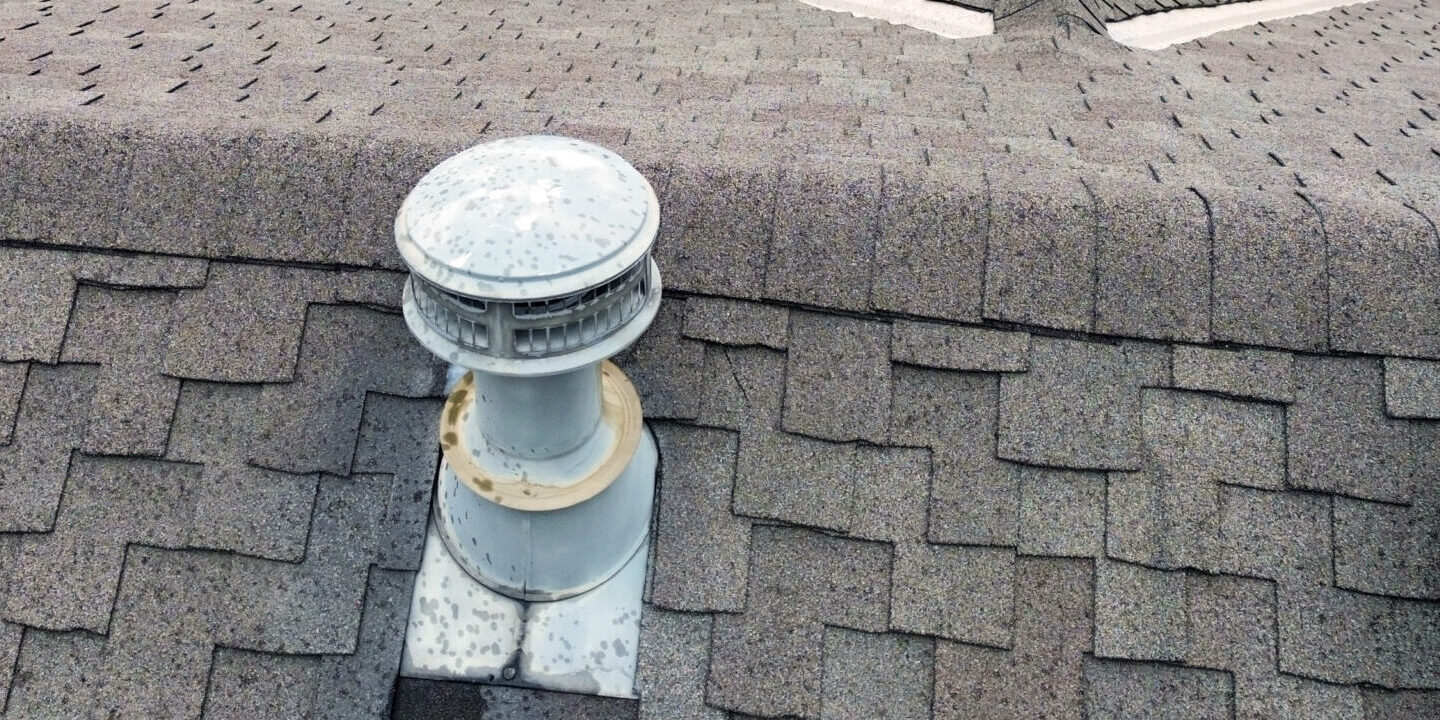
- Impact Marks: Look for actual dents or depressions in the shingles, especially if you can feel them with your fingers (though it’s safest to let a professional do this). You might also find dents on other soft metal around your home, like gutters, downspouts, or vent caps.
- Cracked or Split Shingles: Hail can cause direct impact cracks or splits in the shingles, which are different from the long, thin cracks of an aged shingle.
- Missing Shingles or Lifted Edges: High winds can forcefully lift or tear off entire shingles, especially along roof edges or ridges. You’ll see bare spots where shingles are completely gone, or areas where shingle edges are lifted and creased.
- Directional Damage: Wind damage often shows a pattern related to the wind’s direction during a storm, with more damage on certain sides or slopes of the roof. Hail damage tends to be more random, but can still be concentrated on slopes facing the storm’s origin.
- Sudden Appearance: Storm damage appears suddenly after a specific weather event, rather than gradually over time.
While some granular loss is normal wear and tear, widespread and severe loss means your roof’s protective layer is gone. At this point, repairs become less effective, and a full roof replacement is the most reliable way to protect your home from the unpredictable weather and ensure your peace of mind. If you’re seeing these signs, it’s wise to have a professional roofing contractor inspect your roof to give you an accurate assessment and help you understand if the damage is due to aging or a recent storm.