Your roof is your home’s primary protector, and for most homeowners, that protection comes in the form of asphalt shingles. But how long can you really expect these shingles to last? And more importantly, what can you do to ensure they stand strong against the elements for as long as possible?
Understanding the typical lifespan of asphalt shingles and implementing smart maintenance strategies can save you thousands in premature replacement costs and keep your home safe and dry.
What to Expect: The Typical Lifespan of Asphalt Shingles
While there’s no single magic number, the lifespan of asphalt shingles typically falls within a range, largely dependent on the type of shingle and various environmental factors.
- 3-Tab Shingles (15-20 years): These are the most basic and economical option, characterized by their flat, uniform appearance. While they offer good initial protection, their lighter weight and simpler construction does mean a shorter lifespan compared to their counterparts.
- Architectural (Laminated) Shingles (25-30 years): Also known as dimensional shingles, these are thicker, heavier, and provide a more textured, aesthetically pleasing look that mimics natural wood or slate. Their layered construction offers enhanced durability and a significantly longer lifespan.
- Designer (Luxury) Shingles (30- 50+ years): At the top end of the spectrum, designer shingles are premium, heavily constructed options designed to replicate the appearance of slate or cedar shakes, often with enhanced impact resistance and superior wind ratings.
Beyond the Numbers: Factors Influencing Shingle Longevity
While manufacturers provide estimates, the actual lifespan of your asphalt shingles is influenced by several critical factors:
- Climate and Weather Extremes: Constant exposure to harsh conditions like intense sun, extreme heat and cold fluctuations, heavy winds, hail, and torrential rain will accelerate wear and tear. Lenexa, Kansas, for example, experiences hot summers and cold winters, along with the potential for severe thunderstorms, hail, and even tornadoes, which can be particularly taxing on roofs.
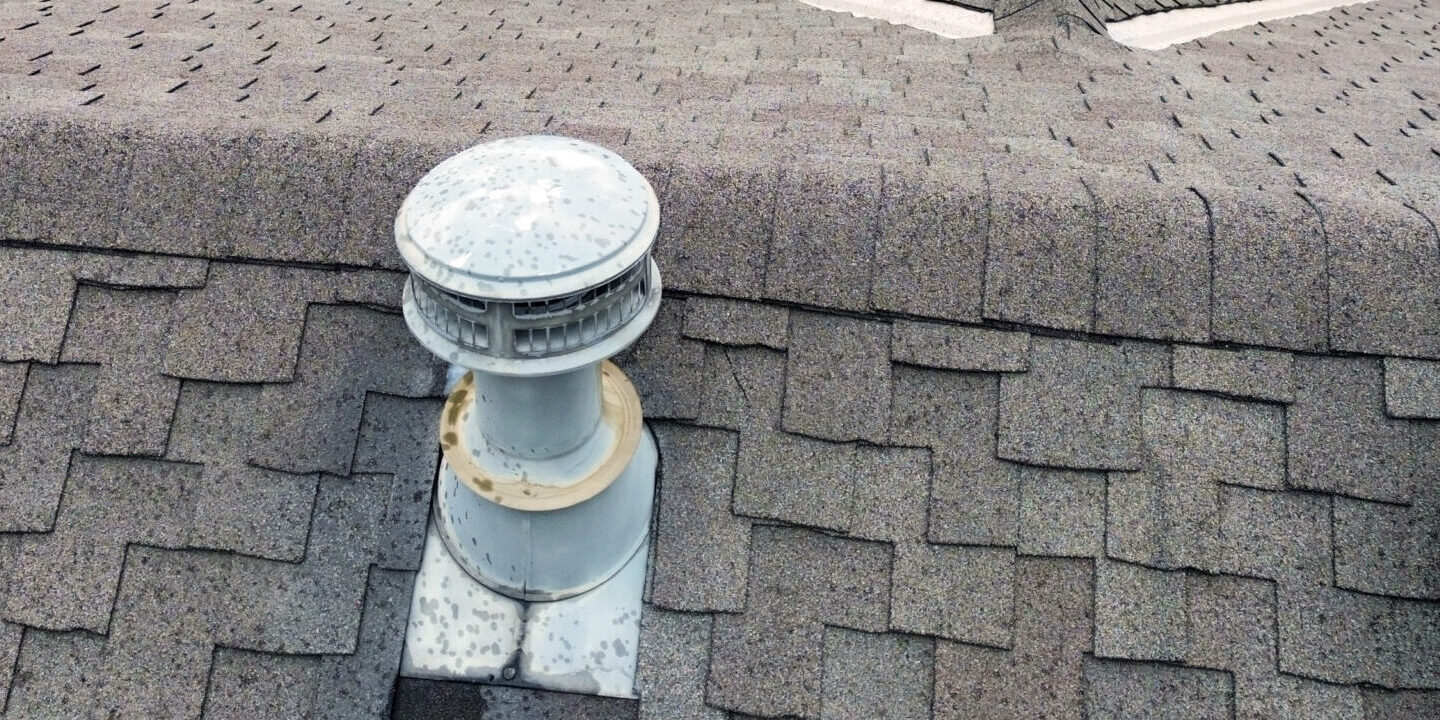
- Attic Ventilation: This is perhaps one of the most overlooked yet crucial factors. A poorly ventilated attic traps heat and moisture, leading to excessive temperatures in the attic space. This “bakes” the underside of your shingles, causing them to dry out, crack, and curl prematurely. It also contributes to granule loss.
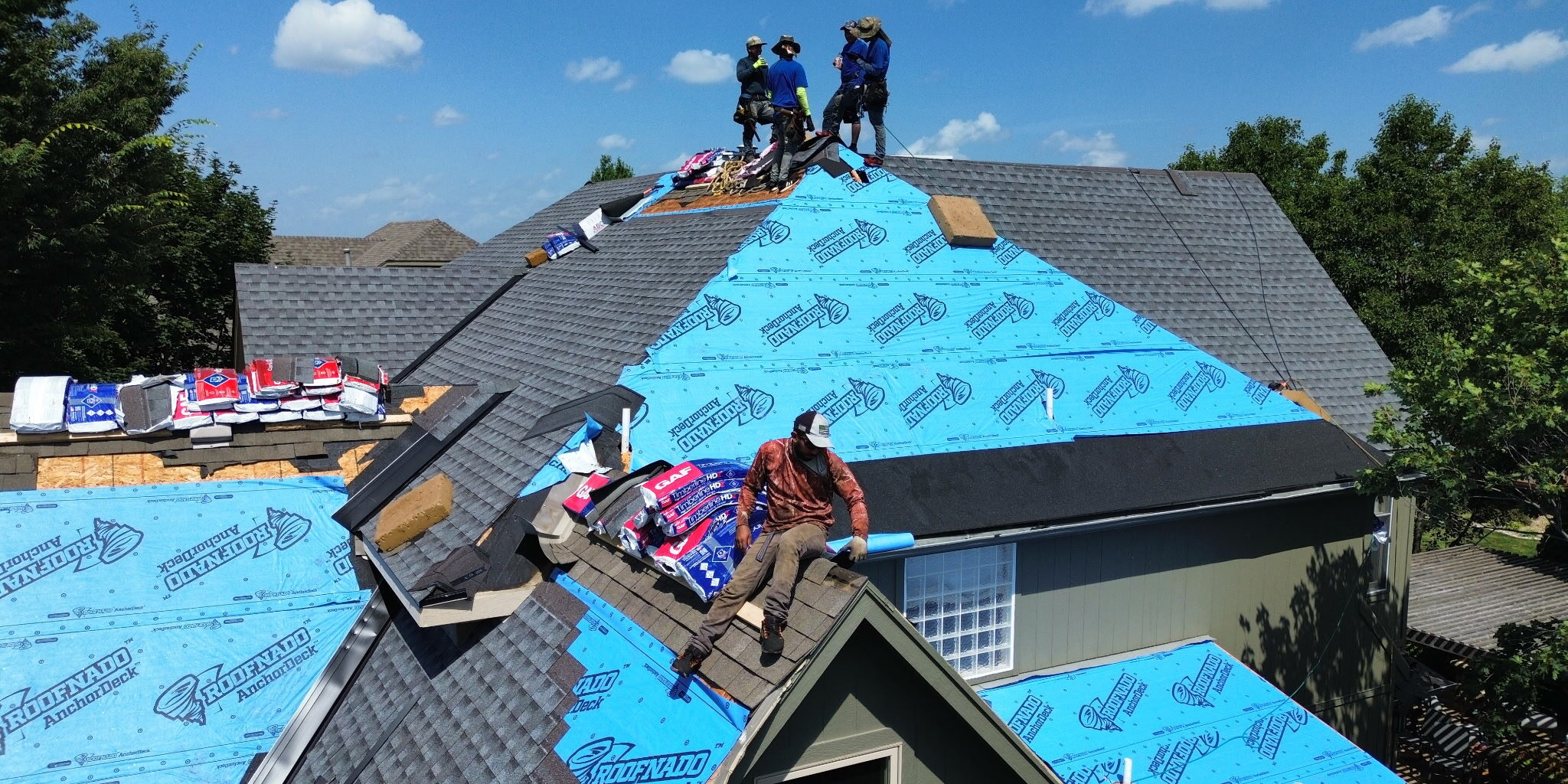
- Installation Quality: Even the highest quality shingles won’t perform if improperly installed. Incorrect nailing, insufficient underlayment, or poorly sealed flashing can lead to immediate problems and drastically shorten the roof’s life. Always choose a reputable, experienced roofing contractor.
- Roof Slope and Orientation: Steep roofs shed water and debris more effectively, reducing exposure time. The orientation of your roof relative to the sun can also play a role, with south-facing slopes often experiencing more intense UV degradation.
- Tree Coverage: While trees provide shade, overhanging branches can drop debris, rub against shingles, and contribute to moss and algae growth by keeping the roof damp. They also pose a risk of damage from falling limbs during storms.
- Maintenance Habits: Regular cleaning and timely repairs can significantly extend your roof’s life, while neglect can quickly lead to widespread issues.
How to Extend It: Maximizing Your Roof’s Lifespan
Proactive care and smart decisions can add years to your asphalt shingle roof, protecting your investment and your home.
- Ensure Proper Attic Ventilation: This is paramount. Have a professional assess your attic’s ventilation system (soffit, ridge, and/or static vents) to ensure it’s adequate for your home’s size and design. Good airflow keeps your attic cool and dry, preserving your shingles from the inside out.
- Regular Roof Inspections: Don’t wait for a leak to appear.
- Annual Visual Checks: From the ground, look for cracked, curled, missing, or blistered shingles. Note any excessive granule loss (often visible in gutters).
- Post-Storm Inspections: After severe wind, hail, or heavy rain, conduct a quick visual check. If you suspect damage, call a professional.
- Professional Inspections (1-2 times per Year): A qualified roofing contractor can identify subtle issues you might miss and recommend timely interventions.
- Keep Gutters Clean: Clogged gutters cause water to back up, leading to rot in fascia boards and saturated roof edges. This can cause shingles to deteriorate prematurely.
- Manage Moss and Algae Growth: These growths retain moisture and can cause granules to detach. While some products can help, consult a professional for safe removal to avoid damaging your shingles. Prevention, such as zinc strips, can be effective.
- Trim Overhanging Branches: Keep tree limbs at least 6-10 feet away from your roof surface. This prevents debris accumulation, minimizes moisture retention, and reduces the risk of impact damage during storms.
- Address Repairs Promptly: Small issues, like a single missing shingle or a minor crack, can quickly escalate into major problems if ignored. Timely repairs are cost-effective and prevent more extensive damage.
- Consider Roof Coatings (with caution): For older roofs in decent condition, a reflective roof coating might extend lifespan by reducing heat absorption. However, this isn’t a solution for damaged shingles and should only be applied after a professional assessment.
- Hire Qualified Professionals: From the initial installation to any repairs, always choose licensed, insured, and reputable roofing contractors. Their expertise ensures the job is done right, maximizing your roof’s potential lifespan.
Conclusion
Your asphalt shingle roof is a significant investment. By understanding the factors that influence its longevity and committing to regular maintenance, you can significantly extend its life, ensuring it continues to protect your home and family for decades to come.