Buying a new roof is a big deal for homeowners. It keeps you safe and dry, and even saves you money on your electric bills during the summer time. But how do you know how much it will cost? It’s not as simple as just looking at the size of your house. Several things go into the price of a new roof. Let’s break it down!
What’s the Angle? Understanding Roof Pitch
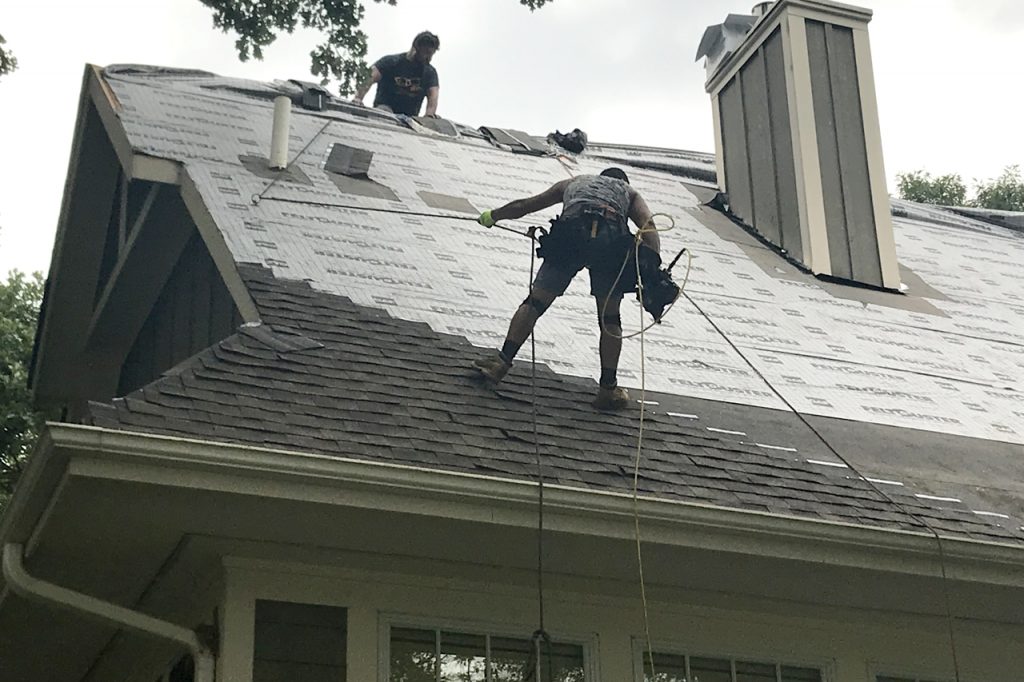
Have you ever looked at different houses and noticed some roofs are flatter while others are really pointy? That “pointiness” is called the roof pitch. An almost flat roof has a low pitch, and a really steep roof has a high pitch.
Roof pitch is measured by how many inches the roof goes up for every 12 inches it goes across. So, a roof with a “6/12 pitch” means that for every 12 inches it runs horizontally, it goes up 6 inches vertically, which in the end raises the labor and material cost due to the increase in surface area.
Why does pitch matter for price?
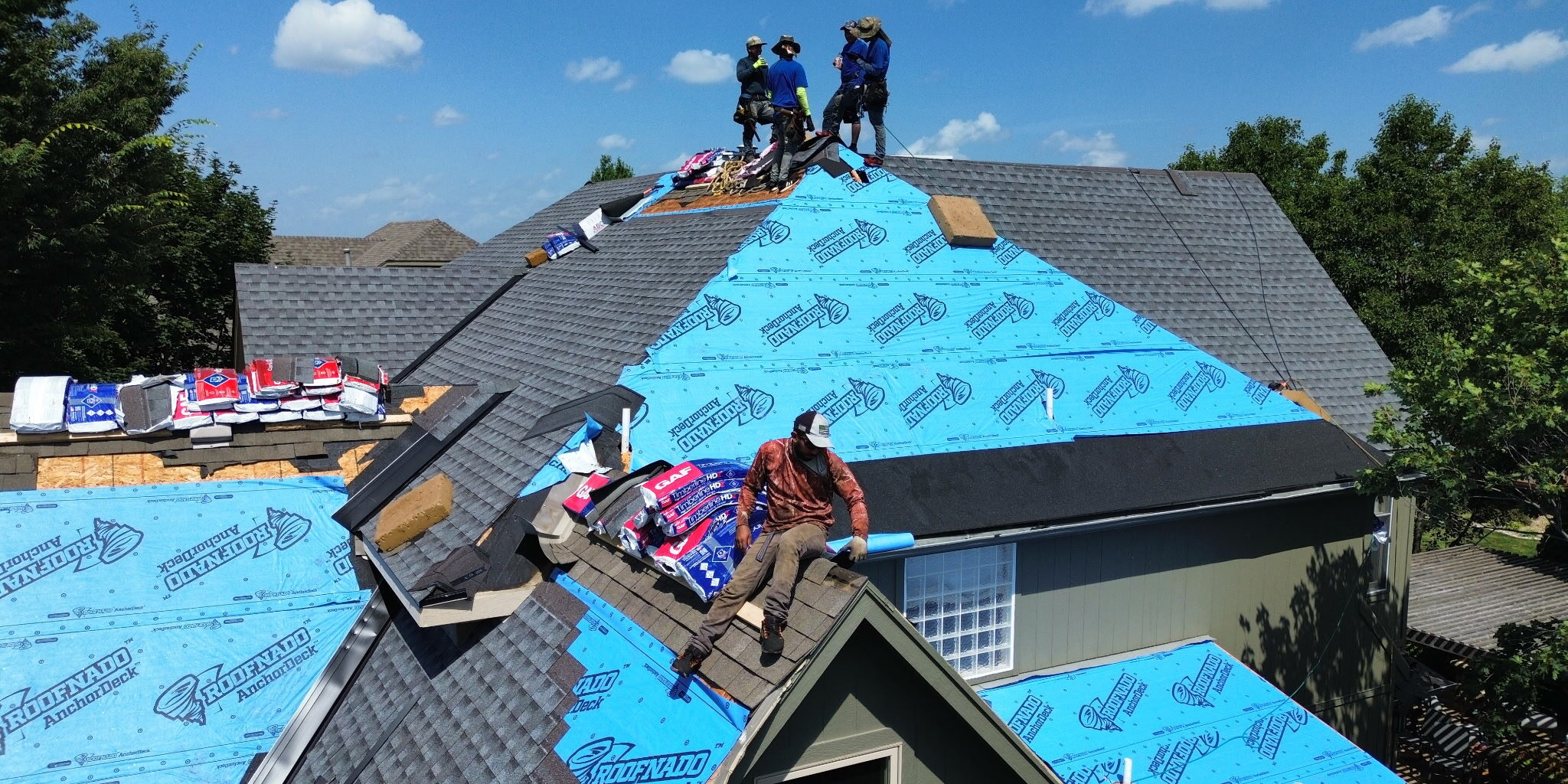
- Safety for Workers: Steeper roofs are harder and more dangerous for roofers to walk on. They need extra safety gear and might take more time, which can increase the labor cost.
- Materials: Some roofing materials work better on certain pitches. Very flat roofs, for example, need special materials that can handle standing water. Steeper roofs allow water to run off easily.
- Installation: Working on a steep roof can be more complicated, requiring different techniques and more careful work.
Choosing Shingles for Your New Roof
Why do shingle types affect price?
- Material Cost: The raw materials used to make different shingles have different prices. Metal and tile, for example, are generally more expensive than asphalt.
- Lifespan and Durability: Shingles that last longer and can withstand harsh weather usually cost more upfront. Think of it as paying more now to avoid replacing your roof sooner.
- Installation Complexity: Some shingles, like metal or tile, require specialized installation techniques, which can increase labor costs.
- Appearance: Architectural shingles often cost more than basic 3-tab shingles because of their look and added features.
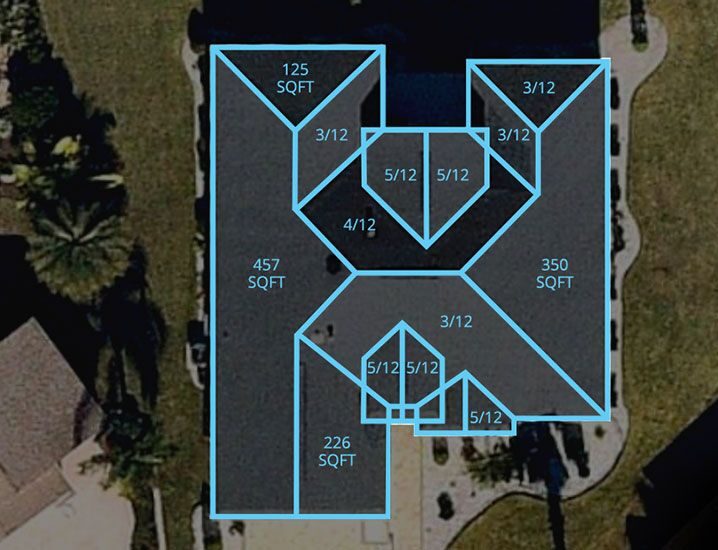
Counting the Squares: How Big is Your Roof?
When roofers talk about the size of your roof, they don’t usually talk about square feet. Instead, they use a unit called a square.
In roofing, one square equals 100 square feet.
Imagine a box that is 10 feet long and 10 feet wide. The area inside that box is 100 square feet, which is one roofing square.
To figure out how many squares your roof is, a roofer will measure the different sections of your roof and then do some math to find the total square footage. Then, they divide that number by 100 to get the number of squares.
Why do squares matter for price?
- Materials Needed: The more squares your roof has, the more shingles, underlayment (the layer under the shingles), and other materials will be needed. This directly increases the material cost.
- Labor Time: A larger roof takes longer for the roofing crew to install. More time means more labor costs.
Additional Costs
Beyond factors like pitch, shingles, and squares, several other elements can influence the price of a new roof. A tear-off is one such factor, as removing and disposing of an existing roof before a new installation incurs an additional cost. The type of underlayment, which is the protective layer beneath the shingles, also impacts the price due to varying material costs.
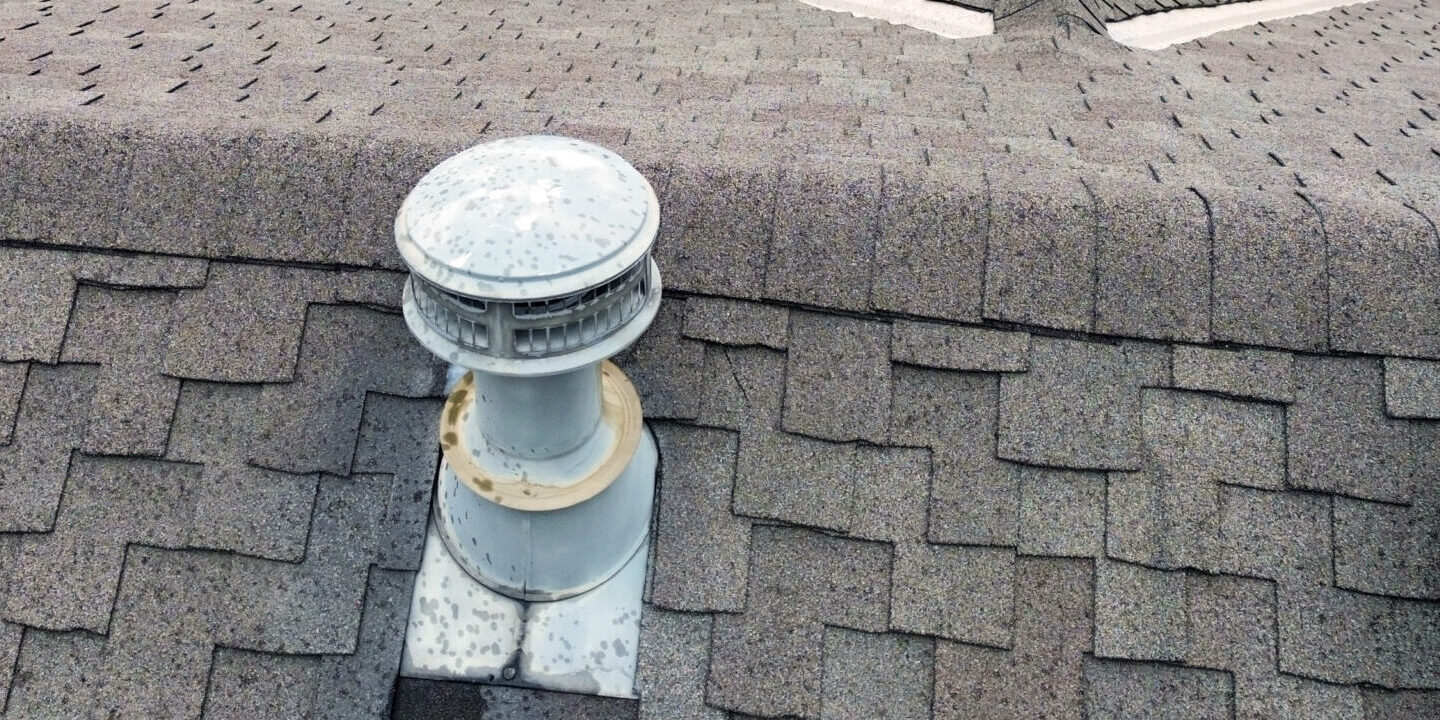
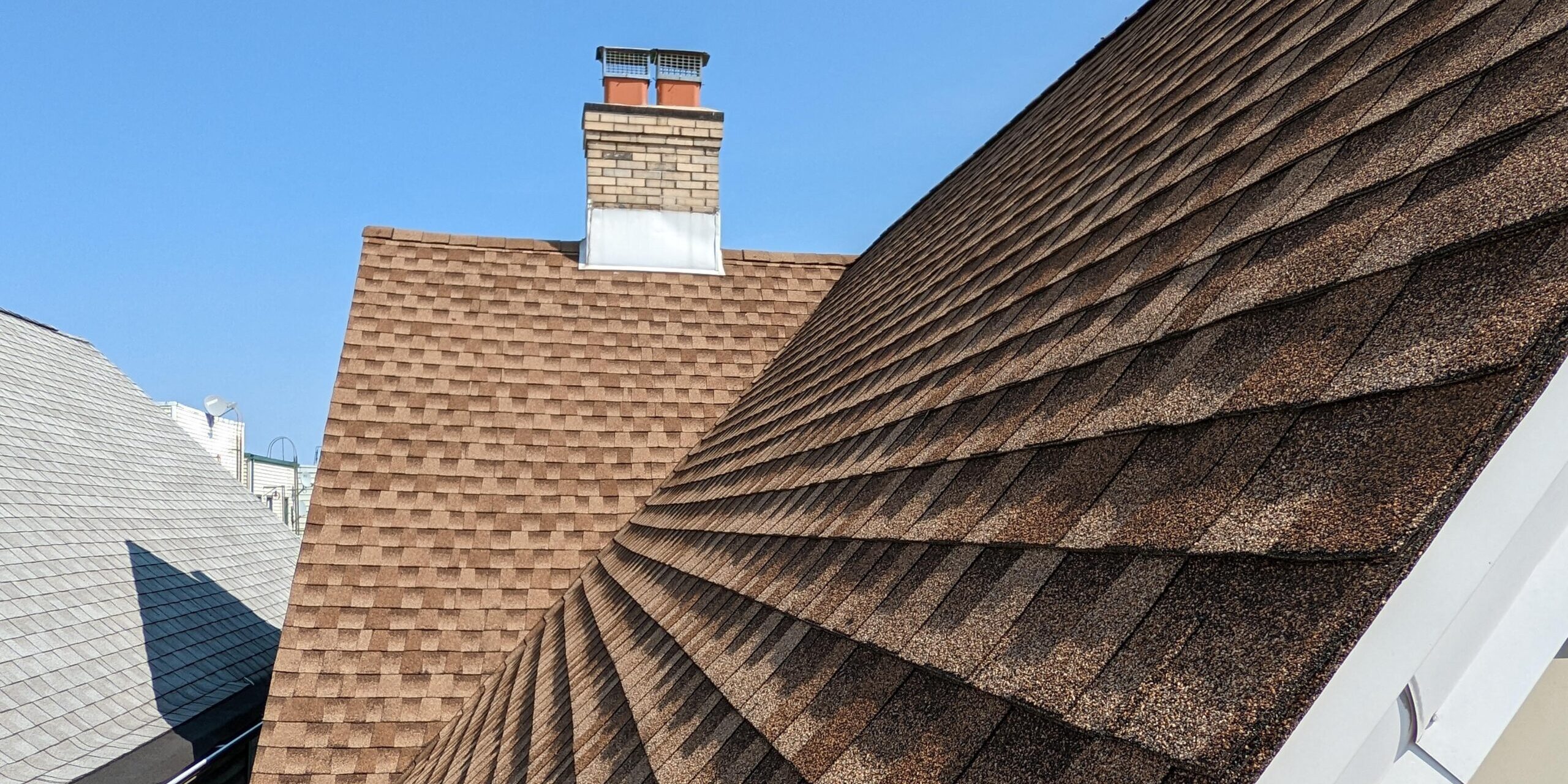
Flashing, the metal material installed around roof penetrations like chimneys and vents to prevent leaks, can also affect the overall cost depending on the amount and type required. Furthermore, ensuring proper ventilation is crucial for preventing moisture buildup and extending roof life, and adding or improving it can add to the expense.
Don’t just go with the cheapest estimate. Consider the roofer’s experience, reputation, and the quality of the materials they use. A good roof is an investment that protects your home for many years to come!
So, when it’s time for a new roof, remember it’s not just about how big your house is. The steepness of your roof, the kind of shingles you pick, and how many of those 100-square-foot sections you have all play a big role in the final cost. Getting a quote from a good roofing company will give you the clearest picture. Make sure you understand what’s included in their estimates, from the shingles to the cleanup. A sturdy roof is super important for keeping your home safe and sound for years down the road, so it’s worth understanding what goes into the price!